
The outbreak of the Hantavirus on the Crusie ship, MV Honduis, has sparked fears of another worldwide shutdown like the Covid-19 enforced shutdown in 2020 following the outbreak of the novel Corona virus-19 in wet market in Wuhan, China. With the Cruise ship’s destination still uncertain despite the decision of……
The outbreak of the Hantavirus on the Crusie ship, MV Honduis, has sparked fears of another worldwide shutdown like the Covid-19 enforced shutdown in 2020 following the outbreak of the novel Corona virus-19 in wet market in Wuhan, China.
With the Cruise ship’s destination still uncertain despite the decision of the Spanish government to allow it dock in the Canary Island following refusal of the Cabo Verdian authorities to allow it dock off the coast of West Africa.
Residents of Canary Island have also rejected the decision by the Spanish government to allow the Ship to dock and with hundreds of people on board the ship and already eight confirmed cases, many are fearful especially in Africa.
Below are ten things to know about the Hantavirus and How To Prevent its spread…
1.It’s a rare but dangerous virus
Hantavirus infections are uncommon but can be severe and often fatal, affecting the lungs or kidneys depending on the strain.
2. Spread mainly through rodents
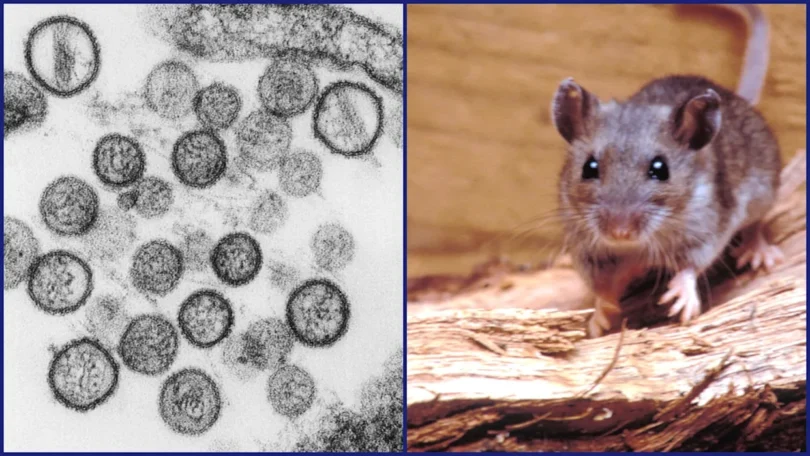
The virus is carried by mice and rats and is transmitted to humans through exposure to their urine, droppings or saliva.
3. Airborne transmission is the biggest risk
People are most commonly infected by inhaling contaminated particles released into the air when rodent waste is disturbed.
4. Human-to-human spread is extremely rare
Unlike many viruses, hantavirus does not usually spread between people, though isolated cases have been recorded.
5. Early symptoms resemble flu
Initial signs include fever, fatigue, muscle aches, headaches, dizziness and gastrointestinal issues such as nausea and diarrhoea.
6. It can quickly turn life-threatening
The illness can progress rapidly into either severe lung disease—Hantavirus Cardiopulmonary Syndrome (HCPS)—or kidney-related illness known as Haemorrhagic Fever with Renal Syndrome (HFRS).
7. Symptoms appear after a delay
The incubation period is typically 2 to 4 weeks, but symptoms can develop as early as one week or as late as eight weeks after exposure.
8. No specific cure or vaccine exists
There is currently no targeted treatment for hantavirus, making early diagnosis and intensive medical care crucial for survival.
9. Prevention depends on proper hygiene
Avoid sweeping or vacuuming rodent droppings. Instead, disinfect contaminated areas with a bleach solution, wipe with paper towels and use protective gloves.
10. Recent cases have raised concern
According to the World Health Organization, a rare cluster of cases—including a suspected cruise ship outbreak in the Atlantic—has prompted international monitoring and response efforts.