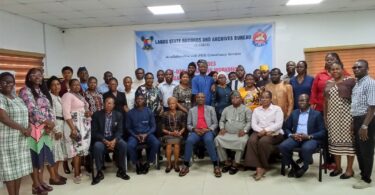
The Institute of Security Nigeria (ISN), under the patronage of former Chief of Army Staff, Lt. Gen. Tukur Yusuf Buratai (Rtd.), has thrown its weight behind the inauguration of the reconstituted Council of the Wise by the Savannah Centre for Diplomacy, Democracy and Development, describing the initiative as a timely intervention to safeguard Nigeria’s democracy ahead of the 2027 general elections.
In a policy statement signed by the Institute’s Deputy President and Chief Executive, Barrister Adebayo Akinade, the ISN said the Council, chaired by former Chief Justice of Nigeria, Justice Olukayode Ariwoola (Rtd.), is strategically positioned to foster dialogue, reduce political tensions and strengthen peaceful electoral participation across the country.
According to the Institute, Nigeria’s preparations for the 2027 elections come at a time when electoral violence, misinformation, hate speech and declining public trust remain significant threats to national security and democratic consolidation.
It noted that the reactivation of the Council of the Wise would provide a credible, non-partisan platform for engaging the Independent National Electoral Commission (INEC), security agencies, political parties, traditional rulers, religious leaders and civil society groups in promoting peaceful elections.
“The establishment of the Council represents a strategic intervention that aligns with our long-held doctrine that weapons clear territory, but communications and consensus secure it,” the statement said.
The Institute also commended renowned diplomat and elder statesman, Prof. Ibrahim Gambari, CFR, a Distinguished Fellow of the Institute and founder of the Savannah Centre, for sustaining the Centre’s legacy of promoting democracy, peacebuilding and conflict resolution since 1993.
It described Gambari’s decades of national and international service as invaluable to Nigeria’s democratic journey, noting that his leadership would provide the strategic depth required for the Council to achieve its objectives.
The ISN highlighted three major strengths of the initiative: its institutional credibility through respected national figures, its multi-stakeholder engagement model linking political dialogue with operational security planning, and its early intervention strategy designed to prevent electoral crises before they escalate.