Cynthia Ezegwu
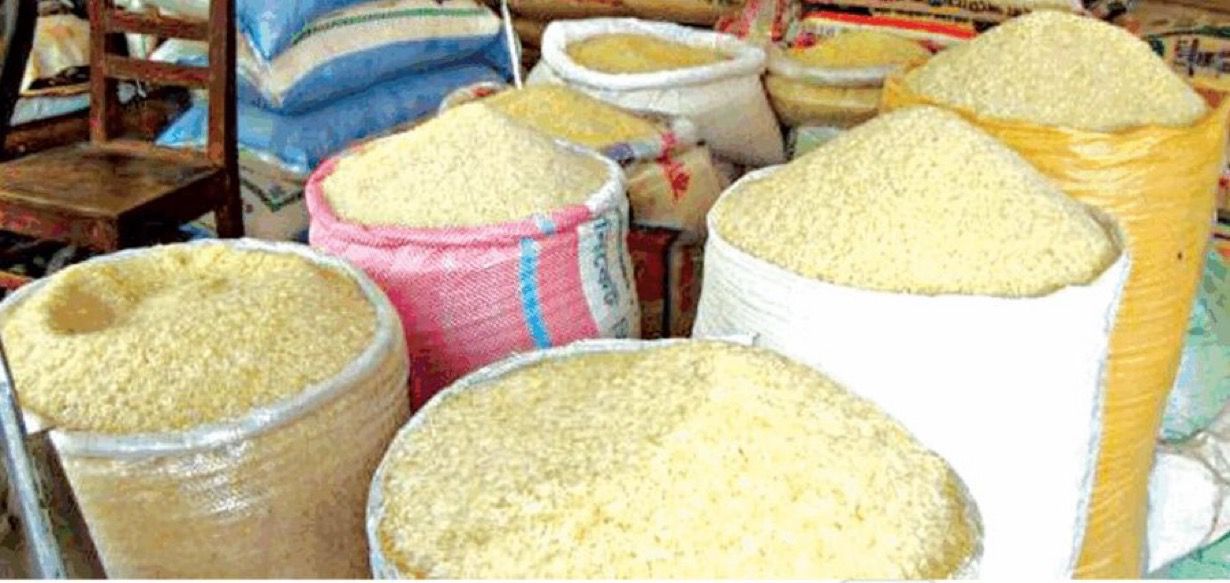
Prices of rice have fallen sharply throughout main markets in Lagos, following a surge in imports by means of reopened borders and improved native provide, bringing aid to customers however heavy losses to merchants.
A market survey by the News Agency of Nigeria (NAN) confirmed {that a} 50kg bag of rice now sells for between ₦55,000 and ₦70,000, relying on the model and site — a big drop from the ₦85,000 to ₦95,000 vary recorded earlier within the 12 months.
At Oyingbo, Arena (Oshodi), FESTAC Town, and Mile 12 markets, each native and imported rice manufacturers have witnessed a drastic worth discount. A 50kg bag of native rice that offered for about ₦85,000 in January now goes for between ₦60,000 and ₦70,000, whereas international rice, beforehand ₦95,000, now sells between ₦65,000 and ₦75,000.
However, merchants lamented that the sudden worth crash has eroded their earnings and tied down capital.
Mrs. Precious Okoro, a seller at Arena Market, mentioned the autumn got here unexpectedly. “We are selling at a loss. I bought several bags at ₦80,000 and ₦85,000 early this year, and now I have to sell them for ₦65,000. Our capital is trapped, and some of us can’t restock,” she mentioned.
Okoro urged the federal government to stabilise rice costs by supporting native farmers and enhancing manufacturing infrastructure. “Incentives for farmers, better storage, and distribution systems will reduce production costs and make prices more stable,” she mentioned.
At the FESTAC Town Market, Mrs. Edith Nwaruh, one other retailer, mentioned a 50kg bag of Pretty Lady rice offered for ₦57,000, Mama Africa for ₦62,000, Mama Gold for ₦67,000, and Big Bull Premium for ₦73,000. She mentioned the decline started round August as a result of improved harvests and elevated provide from northern states.
“We have more rice in the market now. Local production improved, and imports increased. When there’s too much supply, prices must drop,” she mentioned.
At the Mile 12 Market, dealer Mr. Odion Michael described the state of affairs as a “double-edged sword.”
“Consumers are happy, but traders are weeping. We want prices to be stable, not fluctuating. Stability helps us plan our business,” he mentioned.
A rice farmer who spoke anonymously attributed the value fall to the reopening of land borders, which allowed an influx of rice from neighbouring nations. He, nonetheless, warned that the decline won’t final, predicting that costs may rise once more earlier than December as provide ranges fluctuate.
READ ALSO: ‘Food Prices Have Dropped Nationwide,’ Says Agriculture Minister Abubakar Kyari
Another dealer at Oyingbo Market, Mr. Ben Chidi, mentioned improved provide chains and authorities help for native farmers had eased distribution and decreased hoarding.
Consumers, nonetheless, expressed aid on the improvement.
Mrs. Andriana Okoromaro mentioned the decrease costs had made rice extra reasonably priced. “I used to buy half a bag because of the cost. Now, I can buy a full bag for my family. It’s a big relief,” she mentioned.
Mrs. Oluwaseun Alade expressed hope that the development would proceed into the festive season. “Rice is essential during Christmas and New Year. If prices remain low, more families can celebrate without worry,” she mentioned.
Another shopper, Mrs. Ngozi Okolie, nonetheless, linked the decline partly to weakened buying energy. “People don’t have much money. Even though rice is cheaper, sales are still slow because demand is low,” she mentioned.
While the value drop has eased the burden on customers, merchants and farmers stay unsure about sustainability because the market braces for attainable shifts forward of the festive season.