By Rabiat Uthman
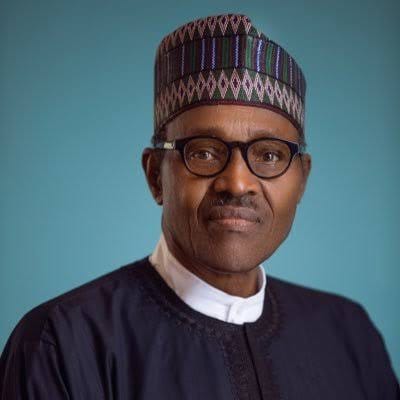
Today, family, friends, and supporters of former President Muhammadu Buhari marked one year since his death.
He died on July 13, 2025, following a prolonged illness at a clinic in London.
But away from the tributes, a different question accompanies the remembrance: where do the men who ruled alongside him stand today?
Abubakar Malami, former Attorney General and Minister of Justice, is standing trial of alleged ₦8.7 billion money laundering case. He is also facing charges of terrorism financing and illegal possession of firearms following the discovery of an arms cache reportedly found at his residence in Birnin Kebbi.
Nasir El-Rufai, former Governor of Kaduna State, was also arrested in February 2026; he’s facing charges of abuse of office, fraud, and money laundering linked to an alleged ₦8.68 billion CCTV contract.
Godwin Emefiele, former Governor of the Central Bank of Nigeria, was remanded at the Kuje Correctional Centre and later granted bail. He is currently standing trial over procurement fraud allegations and a separate EFCC case involving an alleged $4.5 billion fraud.
Read Also:Nigeria Air Fraud: How ex-aviation minister hired Ethiopian Airlines plane for three-day show-EFCC
Hadi Sirika, former Minister of Aviation, is also standing trial while on bail over an alleged ₦2 billion abuse of office case connected to the Nigeria Air project. He additionally faces a ₦19.4 billion contract fraud alongside his brother, daughter and son-in-law.
The Economic and Financial Crimes Commission (EFCC) has declared former Minister of Humanitarian Affairs, Sadiya Umar Farouq, wanted over alleged cases of criminal conspiracy, abuse of office, and diversion of public funds running into billions of naira
Read Also:‘$4.5bn, N2.8bn Fraud’: Emefiele alleges torture, challenges EFCC’s bid to tender statements
What connects these five cases is a common theme: allegations that due process was bypassed and that public funds running into billions of naira were involved, mostly in decisions made during the final years of their time in office.
The more difficult question is whether this pattern points to weaknesses embedded within the Buhari administration itself, or whether it reflects the familiar cycle of a new government investigating and prosecuting officials from a previous administration—a pattern that is neither unique to Buhari’s government nor to Nigeria.
Both interpretations have their defenders. What is difficult to dispute is the fact beneath the debate: one year after Buhari’s death, several of the senior officials who stood beside him in government are now standing trial for alleged fraud.