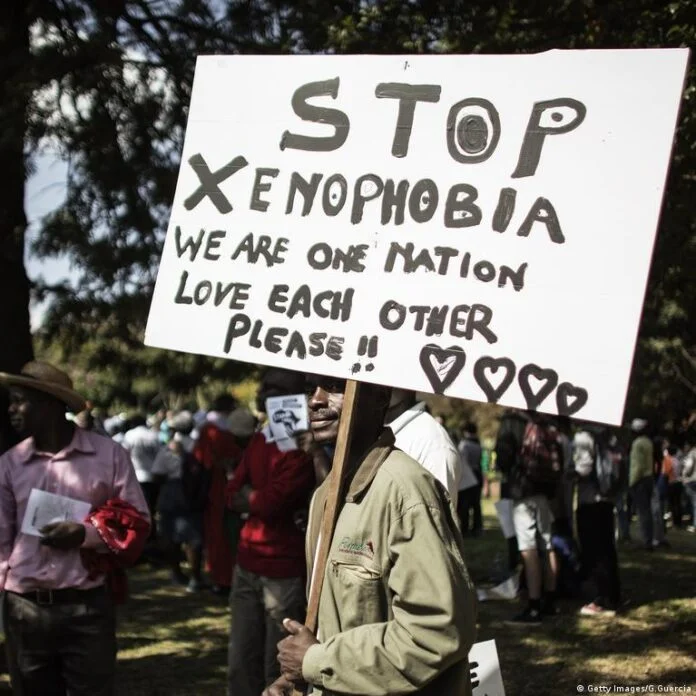
There are palpable concerns among non-South Africans residing in that country, following Afrophobic attacks across major cities. The reports are scary and portend a dangerous threat to diplomatic affinity between affected countries, including Nigeria whose citizens are the worst hit.
It is sad that in the aftermath of the latest attacks which is one of several others in the last decade, several Nigerian citizens have asked their government to fly them home as the surge in Afrophobic incidents and anti-immigrant protests continue in various guises.
It is known that these individuals in their hundreds are the first to apply to a new voluntary repatriation scheme launched by the Federal Government amid fears that confrontations in South Africa could escalate.
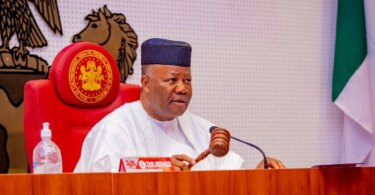
It is instructive that the fresh wave of attacks which has been a recurring feature, has attracted concern from the House of Representatives which has weighed in on the issue as it condemned the Afrophobic attacks against Nigerians in South Africa, calling on the Federal Government to take immediate diplomatic and protective measures.
Lawmakers urged the Ministry of Foreign Affairs to immediately initiate diplomatic steps to halt the killings, while also calling on the administration of Bola Tinubu to begin evacuation plans for Nigerians willing to leave South Africa.
In addition, the House recommended a review of bilateral relations between both countries, including a temporary suspension of business permits for South African companies operating in Nigeria.
It is indeed disgusting and worrisome that fresh Afrophobic violence currently ravaging South Africa has reached an alarming rate to the extent that Nigerian nationals in that country are being selectively targeted.
With deference to the sanctity of life which consents a universal dimension, it is offensive that Nigerians have at each turn of hostilities have become easy prey for South Africans and their security forces.
Particular cases which paint the gory tales justifies the need for decisive diplomatic engagements with the South African authorities are those of two Nigerians, Ekpenyong Andrew and Amaramiro Emmanuel who were killed in separate incidents linked to rising anti-foreigner tensions.
It is scandalous that security officials have been equally linked to some of these attacks as Andrew was reportedly arrested on April 19, 2026, in Pretoria, following an alleged altercation with officials of the Tshwane Metro Police. His body was later discovered at the Pretoria Central Mortuary, while Emmanuel died from injuries sustained after being beaten by personnel of the South African National Defence Force on April 20, 2026. These may just be a few of several morbid acts against Nigerians in that country and these unjustifiable acts of brutality must not be accepted as the norm by any government whose citizens have become butts of recurring attacks.
These incidents, as shocking as they are, equally reveal the worthlessness of lives in the hands of South African Security personnel who ironically should protect the same. Sadly, these killings came amid escalating xenophobic hostility, with a viral video showing threats, intimidation, and attempts by mobs to target foreign nationals.
Nigeria more than any African country was South Africa’s greatest beacon of support weaving it out of the stronghold of the then Apartheid regime. The ‘big-brother’ role played by Nigeria should not be disdainfully discarded in a hurry.
It indeed smacks of ingratitude the targeted attacks against Nigerians, especially taking into cognisance of the roles Nigeria played in the struggle against apartheid in South Africa.
Again, South Africans must be wary of the likely reprisals against its own nationals whose sprawling businesses across Nigeria are monumental. Indeed, the deadly incidents could generate untold anger and retaliation in Nigeria if utmost caution is not maintained. Such tendencies can only be avoided if that country quickly mitigates the situation by calling its citizens and security forces to order
The South African authorities must be resolute in dousing the likely tensions that could escalate by drawing the lines and barriers to protect non-citizens.