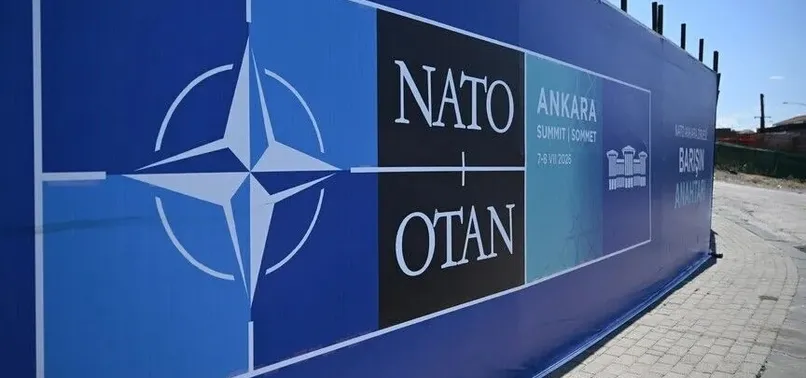
When NATO leaders gather in Ankara on July 7-8, they will do so as the alliance confronts one of its biggest strategic transitions since the end of the Cold War.
Russia’s war in Ukraine, President Donald Trump’s demands that Europe assume greater responsibility for its own security and Washington’s growing focus on competition with China are reshaping NATO’s future.
Rather than replacing the United States, European allies are increasingly preparing to assume greater responsibility for the continent’s conventional defense, while Washington shifts its attention toward strategic deterrence and priorities beyond Europe.
Analysts say the Ankara summit could offer an early glimpse of what some have begun calling “NATO 3.0”-a model that seeks to preserve the transatlantic alliance while redefining the balance of military responsibilities between Europe and the United States.