
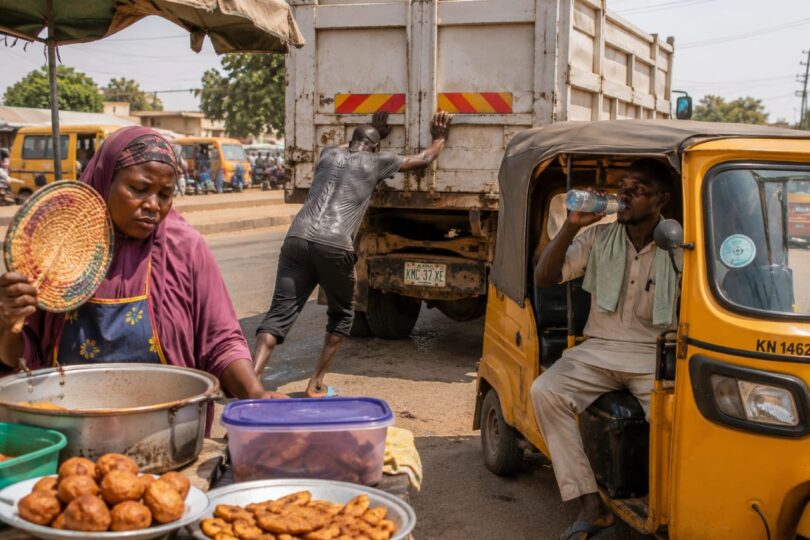
For weeks, many Kano residents have hoped for steady rainfall that would bring relief from the persistent heat.
Instead, temperatures have remained high, making everyday activities more difficult for those who spend long hours outdoors.
Doctors say the prolonged heat is not only uncomfortable but also capable of triggering serious health problems, especially among vulnerable people.
In an interview with SolaceBase, a specialist physician, Dr Maryam Ahmad Sa’id, said pregnant women, children, elderly people and those living with chronic illnesses are among those most at risk during periods of extreme heat.
She identified people with hypertension, diabetes, chronic kidney disease and sickle cell disease as particularly vulnerable, urging them to take extra precautions as temperatures remain high.
Dr Sa’id added that climate change is increasingly affecting public health and called for sustained awareness to help people recognise and respond to climate-related illnesses early.
Read Also:Tree felling contributes to severe heat in Kano – ACReSAL
One of the simplest ways of protecting the body during periods of intense heat, health experts say, is staying properly hydrated.
The body loses significant amounts of water through sweating, and unless those fluids are replaced, dehydration can occur.
Medical experts say adequate hydration helps the kidneys remove waste products from the blood and produce urine efficiently.
When the body is deprived of enough water, the risk of dehydration, kidney stones, urinary tract infections and, in severe cases, kidney injury increases.
Health experts generally recommend that women consume about 2.7 litres of fluids daily and men about 3.7 litres, although individual needs may increase during periods of extreme heat or strenuous physical activity.
Dr. Sa’id also advised residents to pay closer attention to the quality of the water they consume, noting that climate-related events can also affect access to safe drinking water.
She explained that flooding often contaminates water sources when sewage and refuse mix with drinking water, increasing the risk of diseases such as cholera and typhoid fever.
“Flooding is associated with many health risks, especially the spread of infectious diseases. When sewage and refuse contaminate water sources, diseases such as cholera and typhoid fever can spread rapidly within communities,” she said.
The physician urged residents to ensure their drinking water comes from safe sources, keep storage containers clean and covered, and maintain regular handwashing with soap and water.
For many people whose livelihoods depend on spending hours outdoors, however, coping with the heat has become part of daily life.
At her roadside food stall in Kano, Shamsiya Muhammad said the prolonged sunshine has made working conditions more difficult.
Read Also:FG launches 2026 tree planting exercise in Kano, inaugurates SURAGGWA committee
“By afternoon, the heat becomes much. Sometimes you lose your appetite because of the weather, but you still have to continue working because customers are coming.”
She said she now drinks water more frequently than before, although she still feels exhausted after spending several hours beside cooking stoves.
“When I get home, I am usually very tired. The heat is not easy, especially when there is little breeze,” she added.
For commercial tricycle rider Isma’il Hamisu, the weather has also changed the way he works.
He said he now keeps a bottle of water inside his tricycle because he spends most of the day under direct sunlight transporting passengers across the city.
“If you don’t drink water regularly, you begin to feel weak. Whenever there are no passengers, I stop under a tree for a few minutes before continuing.”