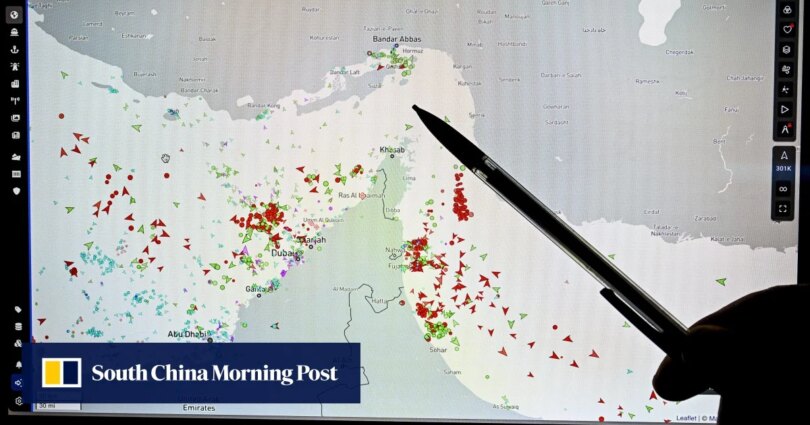
The chief of China’s top economic planner has outlined strategies and priorities to safeguard economic security, as Beijing reassesses its preparedness and vulnerabilities amid disruptions in the Strait of Hormuz during the US-Israeli war on Iran.
“The evolution of the international situation is profoundly affecting China as we enter a period where strategic opportunities coexist with risks and uncertainties,” Zheng wrote in an article published on Monday in Communist Party mouthpiece the People’s Daily.
Geopolitical conflicts were becoming more frequent and easier to ignite, he said, adding that hegemonic ambitions and power politics were on the rise.
“Resource-rich countries are tightening their mining policies, competition for energy and key minerals is rife and disruptions to shipping via the Strait of Hormuz further expose how fragile global industrial and supply chains are,” he said.
China has largely contained the fallout from the Iran war and the disruption in the strait, with the world’s second-largest economy beating market expectations to grow 5 per cent year on year in the first quarter.
Economic resilience has been bolstered by the country’s proactive oil stockpiling before the war, which has so far helped cushion the blow to businesses and livelihoods. But policymakers remain wary of potential spillover.
To shield China from future shocks and secure its energy needs, particularly oil imports, Zheng stressed the need for larger strategic reserves, better emergency preparedness and deeper cooperation with partners.
04:04
How US-Israeli strikes on Iran are sending shock waves through global energy markets
How US-Israeli strikes on Iran are sending shock waves through global energy markets