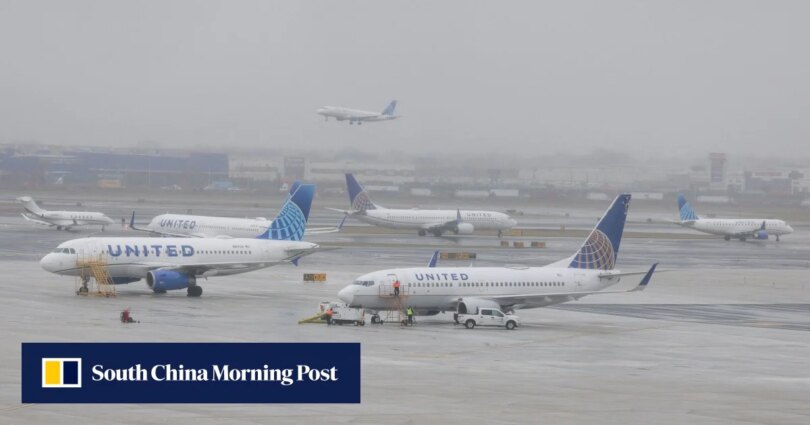
Global airline chiefs open their annual summit in Rio de Janeiro on Saturday facing a sharper test of the industry’s post-pandemic recovery, as the Iran war drives up fuel costs and disrupts airspace while carriers try to cushion the blow with higher fares and tighter capacity.
The annual meeting of the International Air Transport Association (IATA) from Saturday to Monday comes as that fuel shock collides with another problem airlines cannot quickly fix: a shortage of new aircraft.
Boeing and Airbus delivery delays have forced many carriers to keep older, less fuel-efficient jets in service for longer, raising maintenance and fuel bills just as oil prices have climbed.
IATA, which represents more than 370 airlines accounting for about 85 per cent of global air traffic, had forecast a record US$41 billion in net profit this year for the industry before the war. Industry executives and analysts expect that outlook to be lowered at the meeting.
A Deloitte survey of 21 global airline CEOs published this week found that fuel price volatility and inflation sit at the top of the industry’s risk agenda, pushing carriers to focus more heavily on cost control and financial health.
“Together, they’ve turned what was supposed to be a record year into a fight for margin,” the survey said.