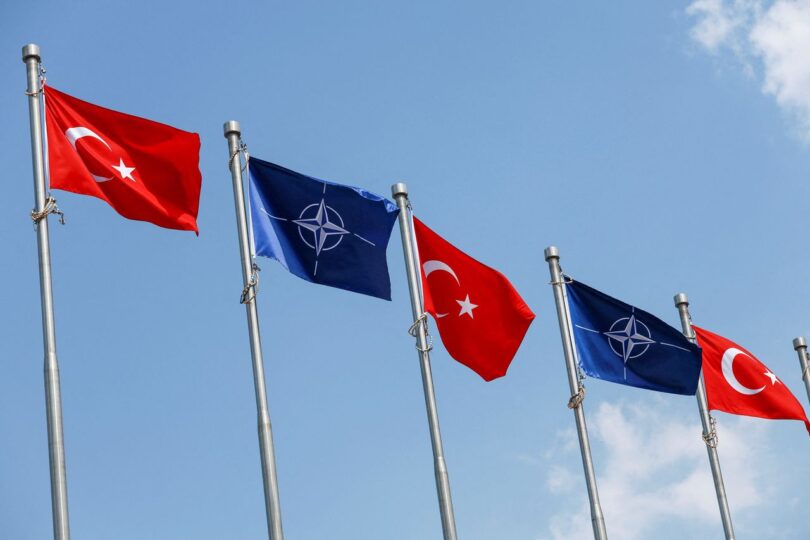
With Ankara hosting the 36th summit of the transatlantic military alliance NATO, the spotlight is firmly fixed on Türkiye as an island of calm amid one of the most volatile periods in recent Middle Eastern history and global upheavals.
President Recep Tayyip Erdogan will welcome leaders from 30 European and two North American countries for the NATO summit on July 7 and 8, the first time since 2004 when Türkiye last hosted the high-profile event.
After the US, Türkiye has the largest military in NATO, which has successfully protected the weaker nations of Europe from aggression by inimical powers since the alliance’s founding in 1949. Türkiye also possesses one of the most powerful navies and the largest submarine force in the Mediterranean and the Black Sea.
The upcoming NATO summit will take place at a crucial time: the spillover effects of the US-Israeli war against Iran have created deep instability in the broader Gulf.
Meanwhile, a full-on military conflict continues to ravage Eastern Europe as the Russia-Ukraine war shows no signs of abating.
At the same time, the US is turning increasingly inwards: Washington is scaling back its international commitments – such as reducing the pool of military assets available to NATO during a crisis or war – while urging its NATO partners to bolster their own defence spending.
Amid raging regional and international fires, however, Türkiye stands apart as a security provider, diplomatic bridge, and economic safe haven, according to geopolitical and defence experts.
They point to Türkiye’s strategy of balance, foresight and engagement that has allowed the country to contain the spillover of numerous crises while reinforcing its role within NATO’s southern flank, the geographic region encompassing the Mediterranean Sea, the Middle East, and North Africa.
The most immediate test of Ankara came from ballistic missile threats linked to the Iran war, experts note.
Related
Yasar Sari, director of the Haydar Aliyev Centre for Eurasian Studies at Ibn Haldun University, tells TRT World that Türkiye has repeatedly used NATO air and missile defence systems to intercept Iranian ballistic missiles entering or approaching Turkish airspace, with at least three interceptions since the conflict began.
These incidents highlight both Türkiye’s effectiveness in managing immediate risks and a broader strategic dilemma for NATO: how to respond to attacks that fall short of triggering Article 5, while avoiding wider escalation, he says.
NATO’s Article 5 promises collective defence, meaning an armed attack against one member state is considered an attack against all members.
“Türkiye’s cautious stance… reflects its attempt to balance defending itself with avoiding deeper involvement in the conflict,” Sari says.
Mesut Hakki Casin, a defence expert and professor of international law and security, situates Türkiye’s defensive posture within the broader context of the country’s contributions across multiple theatres.
In the Black Sea, Türkiye has upheld the 1936 Montreux Convention by restricting the passage of warships belonging to the belligerent parties in the Russia-Ukraine conflict, he tells TRT World.
Together with Romania and Bulgaria, Ankara has conducted mine countermeasures operations, ensuring security for the longest Black Sea coastline and control of the Turkish Straits, he says.
Türkiye has also supplied state-of-the-art warships to Romania and Ukraine and, in line with NATO planning, delivered TB2 unmanned aerial vehicles that “changed the course of the war”, he adds.
In the Mediterranean, the region around the large inland body of water between Southern Europe, North Africa, and Western Asia, Türkiye has conducted large-scale naval exercises involving 150 vessels and 20,000 personnel to underline its red lines on Cyprus, the Aegean islands, Turkish territorial waters and exclusive economic zone, and regional energy resources, Casin says.
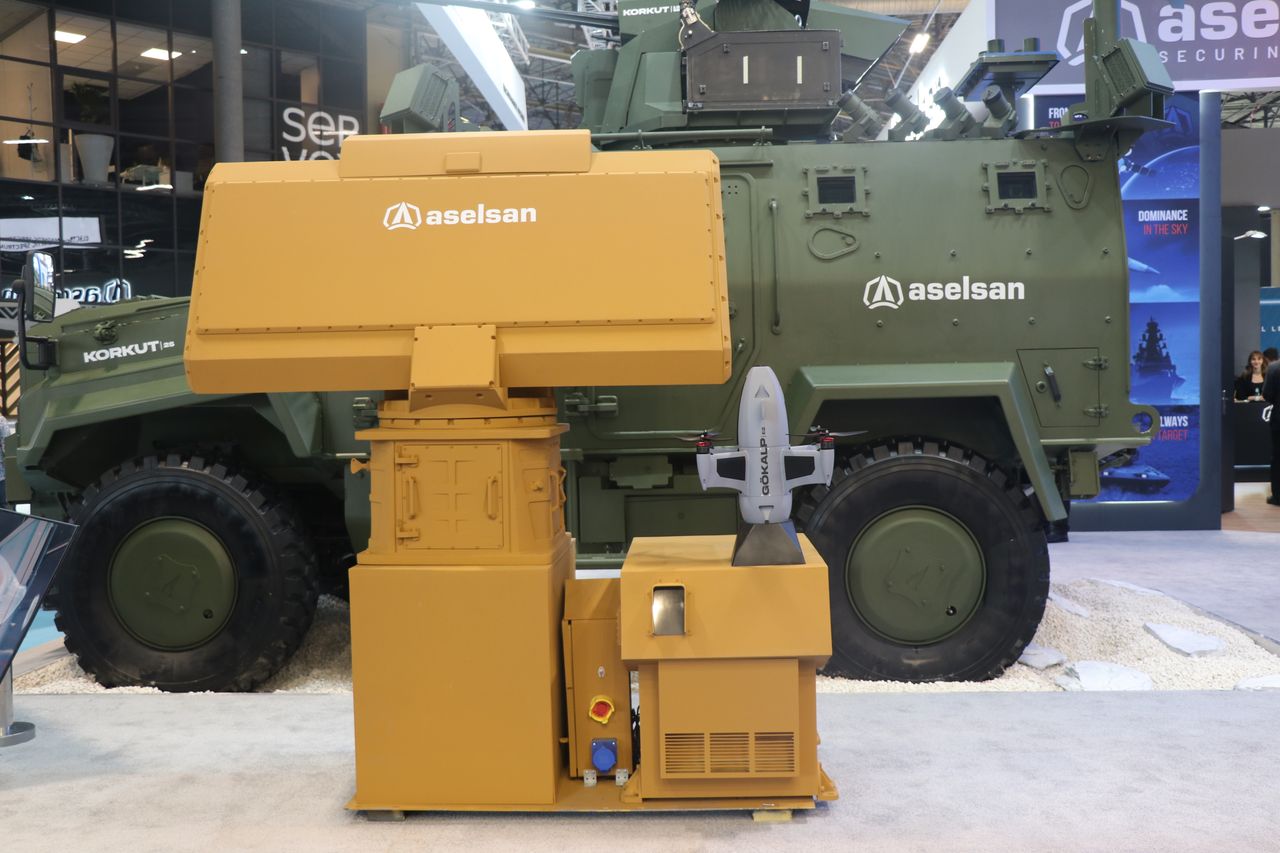
The country is currently supporting the alliance with 50 vessels and exporting defence equipment to fellow members, he notes.
Related
Open channels, active diplomacy
Ahmet Keser, professor at Hasan Kalyoncu University, tells TRT World that Türkiye has demonstrated the broader strategic impact of its military and diplomatic strength in Syria and Libya as well.