Rising tensions in West Asia have once again pushed the world towards uncertainty. For the second consecutive day, attacks between the United States and Iran have continued, raising fears of a wider conflict. The impact is not just geopolitical, it is now hitting global oil prices and the everyday lives of people, especially in the United States.
Why is the US-Iran war affecting oil prices?
The ongoing war has disrupted the supply of oil and gas from West Asia, a region that plays a key role in global energy markets. As supply concerns grow, international crude oil prices have surged, touching around $95 per barrel. This sharp rise is making fuel and energy more expensive worldwide.
Is inflation rising in the United States?
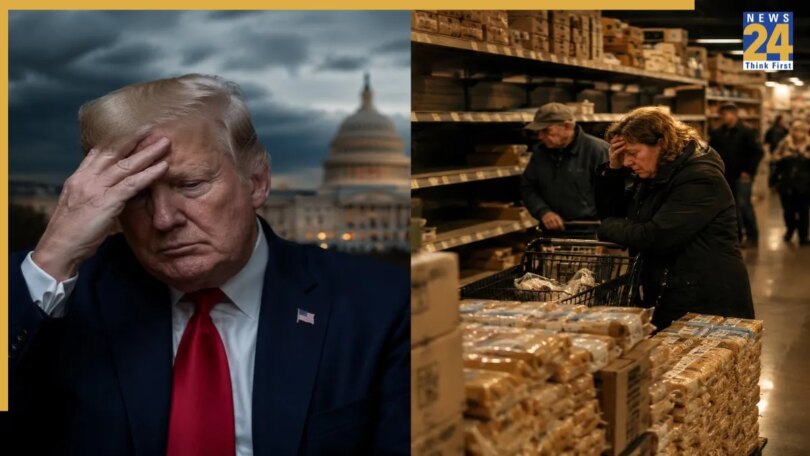
The impact of rising oil prices is clearly visible in the US economy. According to data from the US Labor Statistics Bureau, retail inflation (CPI) rose to 4.2% in May on a yearly basis, the highest level in three years. This increase is largely driven by higher fuel and energy costs, which are now affecting transportation, goods, and daily essentials.
Are American households under financial pressure?
Yes, the pressure is increasing. Inflation has now outpaced wage growth for the second consecutive month. This means people are spending more than they are earning in real terms. Many households are reportedly dipping into their savings to manage daily expenses, raising concerns about long-term economic stability.
The situation has also rattled financial markets. After the inflation data was released, the Dow Jones index fell sharply by 953 points, reflecting investor anxiety.
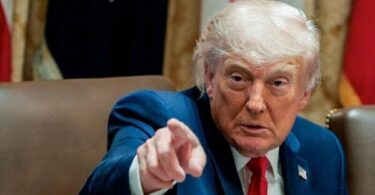
Rising inflation is also becoming a political challenge for Donald Trump and his Republican Party, especially with midterm elections approaching. Trump had earlier promised to control inflation during his campaign, making the current situation even more sensitive.
First published on: Jun 11, 2026 12:48 PM IST
Get Breaking News First and Latest Updates from India and around the world on News24. Follow News24 on Facebook, Twitter.
End of Article
Related Story