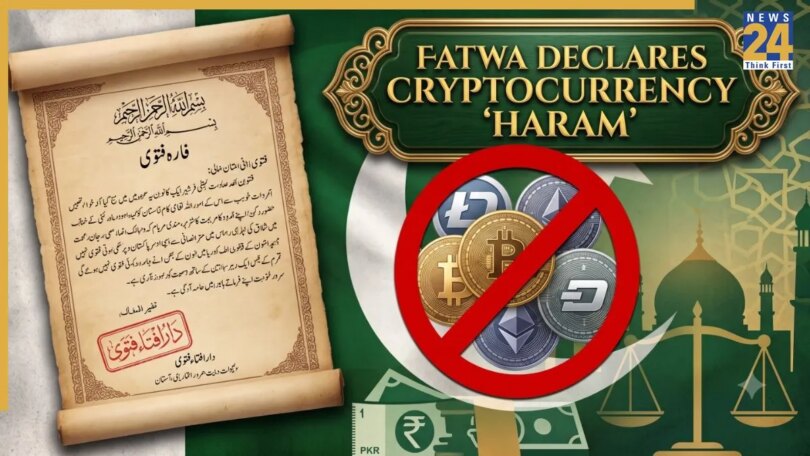
Pakistan crypto fatwa: In a significant development that could derail Pakistan’s push to emerge as a global cryptocurrency haven, an influential and popular cleric has issued a ‘fatwa’ against crypto trading, declaring cryptocurrencies like Bitcoin, Ethereum and stablecoins, “haram” (forbidden) under Islamic Sharia law.
According to reports, Mufti Muhammad Taqi Usmani, one of Pakistan’s most popular and influential Islamic scholars, has banned crypto trading under Sharia law, and issued a fatwa (religious decree), declaring it as “haram”.
Who is Mufti Muhammad Taqi Usmani and why his fatwa could shatter Pakistan’s crypto dreams?
Mufti Muhammad Taqi Usmani, an influential and respected Islamic scholar, is considered among the world’s most knowledgeable authorities on Islamic finance.
Usmani, who serves as the leading scholar at Darul Uloom Karachi, one of Pakistan’s most respected Islamic seminaries, has a strong following, not just in Pakistan, but across the Muslim world, and his fatwa against cryptocurrencies is expected to strongly influence crypto trading in the country.

While a fatwa, which is essentially a religious decree or legal ruling issued by a qualified Islamic scholar on Sharia law related matters, does not hold legal status (at least on paper), it can however, influence policy decisions and behaviour of followers, especially when it is issued by a distinguished scholar or religious authority like Mufti Usmani.
Why Mufti Usmani declared crypto ‘haram’?
In his fatwa against crypto trading, Usmani argues that cryptocurrencies fall within the ambit of illegitimate or ill-gotten wealth and property under Sharia law as they involve excessive uncertainty (gharar), speculation and elements that are similar to gambling (maysir), which is forbidden in Islam.
According to Islamic financial laws interpreted from the Sharia by scholars, assets that do not have any intrinsic or recognised value are forbidden, while transaction that involve excessive uncertainty and speculation akin to gambling, and interest (riba) are also prohibited.

The fatwa, which encompasses cryptocurrencies, crypto tokens and stablecoins, argues that most cryptocurrencies, including Bitcoin and Ethereum, do not meet the definition of legitimate wealth as defined under Islamic Sharia law.
Is crypto now illegal in Pakistan?
No, in a strict legal sense, cryptocurrencies are not banned in Pakistan, because as stated earlier, a fatwa is a religious ruling or decree which is not legally-binding in democratic setups. However, analysts fear the fatwa could impact the crypto trading as many conservative-minded investors might voluntarily exit the market.
The decree comes at a time when Pakistan’s military and civilian leadership has vehemently tried to present the country as a crypto-friendly destination. The Shehbaz Sharif government has established the Pakistan Crypto Council, set up the Pakistan Virtual Assets Regulatory Authority (PVARA) and formed regulations for digital assets.

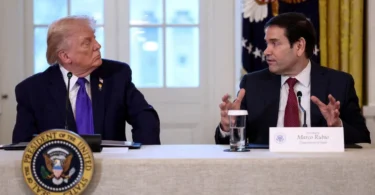
Additionally, Pakistan has also explored blockchain initiatives and policies aimed at attracting investment into the sector, and Islamabad’s ‘crypto diplomacy’ is believed to be one of the major reasons why its relations with Washington and the Trump administration have improved over the past year.
How the fatwa has impacted Pakistan’s crypto market?
As per reports, the impact of the fatwa is already evident in crypto markets, triggering sell offs by conservative Muslim investors in Pakistan, and even in India, UAE and several other Muslim countries, though the global cryptocurrency market has not been impacted due to the ruling.
Crypto companies fear that the impact of the ruling could spread to other Muslim-majority markets, especially if the decree is endorsed by other influential Islamic scholars.
Notably, foreign remittances form a key part of Pakistan’s economy, and the government has viewed blockchain technology and regulated digital assets as potential tools for improving financial inclusion, encouraging innovation and modernising payment systems, while also attempting to keep up with global developments in digital finance.
First published on: Jul 15, 2026 10:23 PM IST
Get Breaking News First and Latest Updates from India and around the world on News24. Follow News24 on Facebook, Twitter.
End of Article
Related Story