LA PAZ, May 28 – A Bolivian senior minister on Thursday ruled out any possibility of President Rodrigo Paz resigning and told Reuters that calls for the president to step down amid mass protests were “anti-democratic.”
Anti-government protests and blockades have strangled supply chains and blocked streets in major cities over the last month. On Wednesday, Paz took steps towards declaring a state of emergency that could send troops into the streets to restore calm.
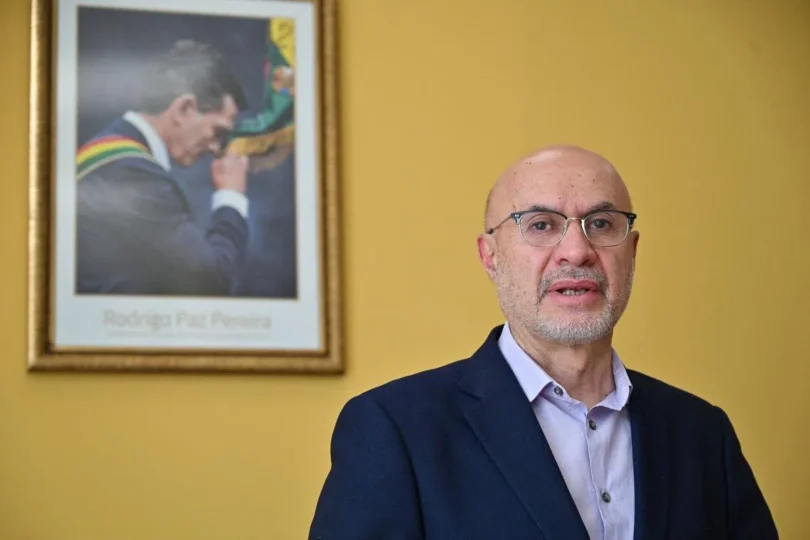
Bolivian Minister of the Presidency Jose Luis Lupo in an interview dismissed fears that the country could be facing a coup. He noted that Paz won the 2025 election with 55% of the vote and estimated the number of active protesters at roughly 30,000, versus the 3.5 million votes the ruling party received last year.
The centrist government is facing unrest led by labor unions and groups loyal to former leftist President Evo Morales, who has argued that stability will only return to the country if the president steps down.
The conflict began with a workers’ strike in May that escalated into highway blockades that cut off access to the neighboring cities of La Paz and El Alto, which are home to some 2 million people.
Protesters want the new conservative government to roll back austerity measures and address rising living costs.
Lupo, whose role involves coordinating between the president’s office and ministries, said the government was prioritizing dialogue with the protesters, but would consider other options in order to allow for the transit of fuel, food and medicine.
“The state of emergency or requests for international support are completely legal and legitimate and will be evaluated according to the opportunity and need,” Lupo said.
Lupo said international lenders, including the International Monetary Fund, the Inter-American Development Bank and the CAF development bank, had indicated their support and understanding.
“They understand and are sensitive to this type of situation,” Lupo said. “What is concerning is the country’s image, tourism, and trying to showcase the country to the world.”
Paz took office in November, pledging to open Bolivia to foreign private investment in projects related to mining, hydrocarbons, lithium, and energy. REUTERS