ISLAMABAD, June 15 (Xinhua) — The peace agreement reached between the United States and Iran on Sunday, with an official signing ceremony scheduled for June 19 in Switzerland, marks a significant diplomatic breakthrough since the outbreak of their recent conflict, lowering the immediate risk of a wider regional war and opening a pathway toward a longer-term political settlement, analysts said.
The agreement, reached after weeks of military escalation and intensive diplomatic efforts involving Pakistan and other regional actors, commits Washington and Tehran to cease hostilities and begin negotiations on some of the most contentious issues dividing them, including Iran’s nuclear program, sanctions relief and the future security framework of the Strait of Hormuz.
The international community welcomed the agreement, with leaders of many countries issuing statements, urging continuous efforts towards lasting peace.
UN Secretary-General Antonio Guterres welcomes the deal, and hopes that the parties will build on this new momentum and redouble their efforts toward a final resolution of the conflict, his spokesperson said Sunday.
Pakistan’s former ambassador to the United States, Jalil Abbas Jilani, described the agreement as a major diplomatic breakthrough.
“Pakistan’s efforts in forging consensus between the United States and Iran have helped achieve a significant breakthrough, culminating in the reaching of the peace agreement,” he said.
He described the agreement as “a major first milestone on the path towards dialogue, de-escalation and lasting peace,” adding that continued diplomatic engagement would be essential for translating the understanding into concrete outcomes.
Analysts say the agreement reinforces a broader lesson from the recent crisis that confrontation alone cannot deliver lasting peace, and sustainable solutions can only emerge through dialogue and diplomacy.
“What we have witnessed is that confrontation alone cannot produce lasting peace,” defense analyst and retired Brigadier Tughral Yamin told Xinhua. “Military pressure may alter the situation temporarily, but sustainable stability can only emerge through dialogue, negotiation and political engagement.”
According to Yamin, the immediate impact of the agreement is likely to be a reduction in the risk of a wider regional conflict and greater stability in global energy markets.
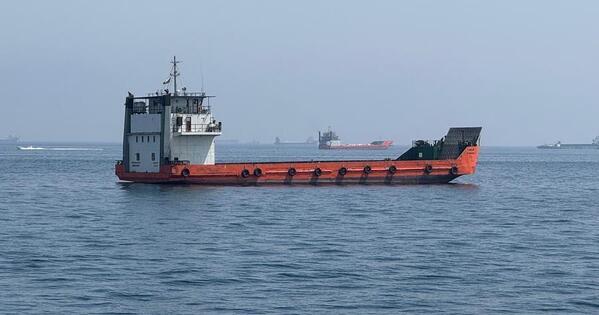
He noted that progress toward reopening the Strait of Hormuz could help restore confidence in international shipping routes and ease concerns over disruptions to global oil supplies, while lowering the risk of further escalation across the Middle East.
Yamin said the agreement also restores a diplomatic channel between Washington and Tehran at a time when direct military confrontation had raised fears of a broader regional war.
“The importance of this memorandum of understanding (MoU) is that it shifts the process from confrontation to negotiation,” he said. “The fact that both sides have agreed to continue talking is itself a significant development.”
However, he stressed that the signing of the MoU should be viewed as the beginning of a diplomatic process rather than its conclusion.
Despite the breakthrough, analysts caution that significant obstacles remain.
Under the framework, the two sides are expected to enter a new phase of negotiations within 60 days, focusing on Iran’s nuclear activities, sanctions relief, maritime security and other unresolved regional issues.
“The real test will come during the next round of negotiations,” Yamin said, noting that progress on those issues will determine whether the current understanding develops into a permanent settlement.
Yamin said deep mistrust between Washington and Tehran, disagreements over sanctions relief and verification mechanisms, and future arrangements governing maritime traffic through the Strait of Hormuz could complicate implementation of the agreement.
He also warned that regional actors opposed to a broader U.S.-Iran understanding could attempt to disrupt the process, stressing that sustained diplomatic engagement would be necessary to maintain momentum.