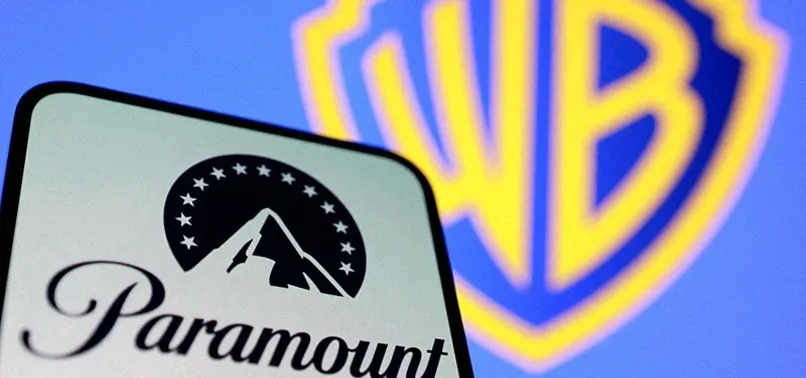
California and 11 states are suing to block Paramount‘s $110 billion acquisition of Warner Bros. Discovery, alleging the deal would lessen competition in film distribution and cable television, harming theaters and pay TV distributors.
The lawsuit is a serious threat to Paramount CEO David Ellison‘s bid to transform his company into a major competitor to Netflix and Disney.
“With this lawsuit, California and our sister states are fighting for free and fair markets, not rigged markets. America has no kings in government or our economy,” Bonta said in a statement.
If allowed to move forward with the deal, Paramount would control 27% of the distribution market for films that appear on screens across America, 30% of blockbuster film distribution and 27% of the market for basic cable channels, the states said.
It will likely take months for a ruling on the states’ claims, causing a delay that could rack up hundreds of millions of dollars in costs for Paramount.
The deal has led to an outcry from actors, writers and others fearing it will hurt jobs. Theater owners also opposed the deal, worrying the combination of the Warner Bros movie studio with Paramount Pictures would result in fewer films.
Paramount has said the deal will allow it to produce more, not less, after it cuts $6 billion in redundant infrastructure, marketing and corporate jobs. Ellison has vowed that the combined film studios would release 30 movies a year.
The U.S. Department of Justice has cleared the deal, saying it poses no competition problems.
Paramount CEO David Ellison‘s father, billionaire Oracle co-founder Larry Ellison, has cultivated ties with President Donald Trump, and the company has hired former Trump officials.
Paramount has committed to pay around $650 million in fees to Warner Bros. Discovery shareholders each quarter if the deal does not close before October. The company has said delays could force it to renegotiate the deal’s financing, cause uncertainty for its stock price, or even scuttle the transaction altogether.