He argued that Türkiye has become one of the few NATO members capable of independently producing fighter aircraft, tanks, naval vessels, drones and integrated air defence systems.
“Today, in terms of defence spending, military capabilities and the defence industry that underpins them, we are well ahead of many allies,” Erdogan said, highlighting indigenous projects such as the Steel Dome air defence initiative and the global success of Turkish unmanned aerial vehicles.
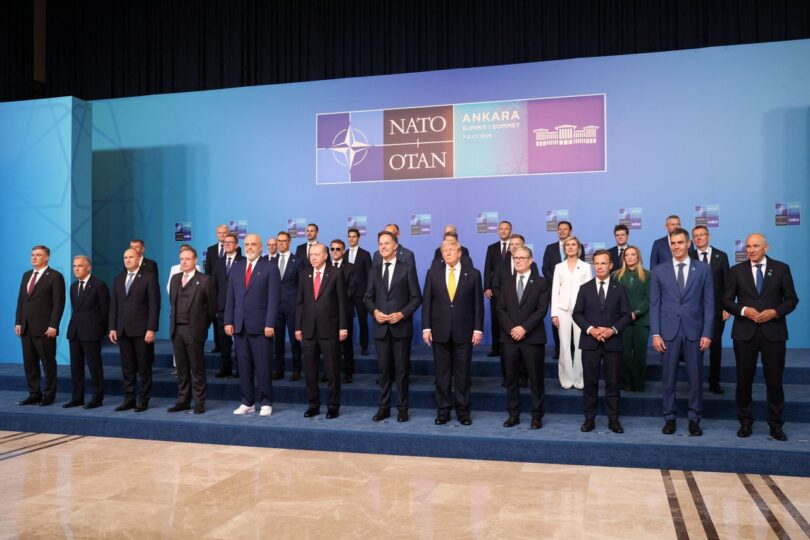
The summit itself reinforced that message.
Several multinational defence initiatives announced in Ankara included Turkish participation, underlining Ankara’s objective to position itself not merely as a frontline ally but as an increasingly important contributor to NATO’s defence industrial ecosystem.
Related
F-35 talks amid growing US-Türkiye defence ties
Another closely-watched outcome of the summit was Trump’s consistently positive language regarding Türkiye.
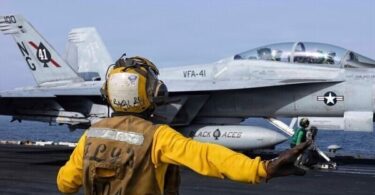
Asked about Ankara’s long-standing request to rejoin the F-35 fighter programme, Trump praised Erdogan as “a really great man” and said his inclination was favourable.
“My inclination is to say, look, he’s done everything. He’s helped us in so many different ways,” Trump said.
Erdogan, for his part, said Trump had adopted a “positive approach” toward the issue and expressed confidence that Türkiye would eventually receive the fifth-generation fighter jets.
Trump’s and Erdogan’s remarks showed a notable improvement in bilateral defence relations after years of tensions stemming from Türkiye’s acquisition of the Russian-made S-400 missile defence system.

Related
Beyond Ukraine
Although the Russia-Ukraine war remained NATO’s central security concern, the summit also illustrated how the alliance’s agenda has broadened.
Trump devoted much of his concluding press conference to Iran, arguing that recent US military action had prevented Tehran from acquiring nuclear weapons.
Erdogan used his remarks to renew calls for diplomacy in both Ukraine and the Middle East.
“There are no losers in a just peace,” he said, reiterating Türkiye’s offer to host renewed negotiations between Russia and Ukraine while warning that the region “can tolerate neither new tensions nor new conflicts.”
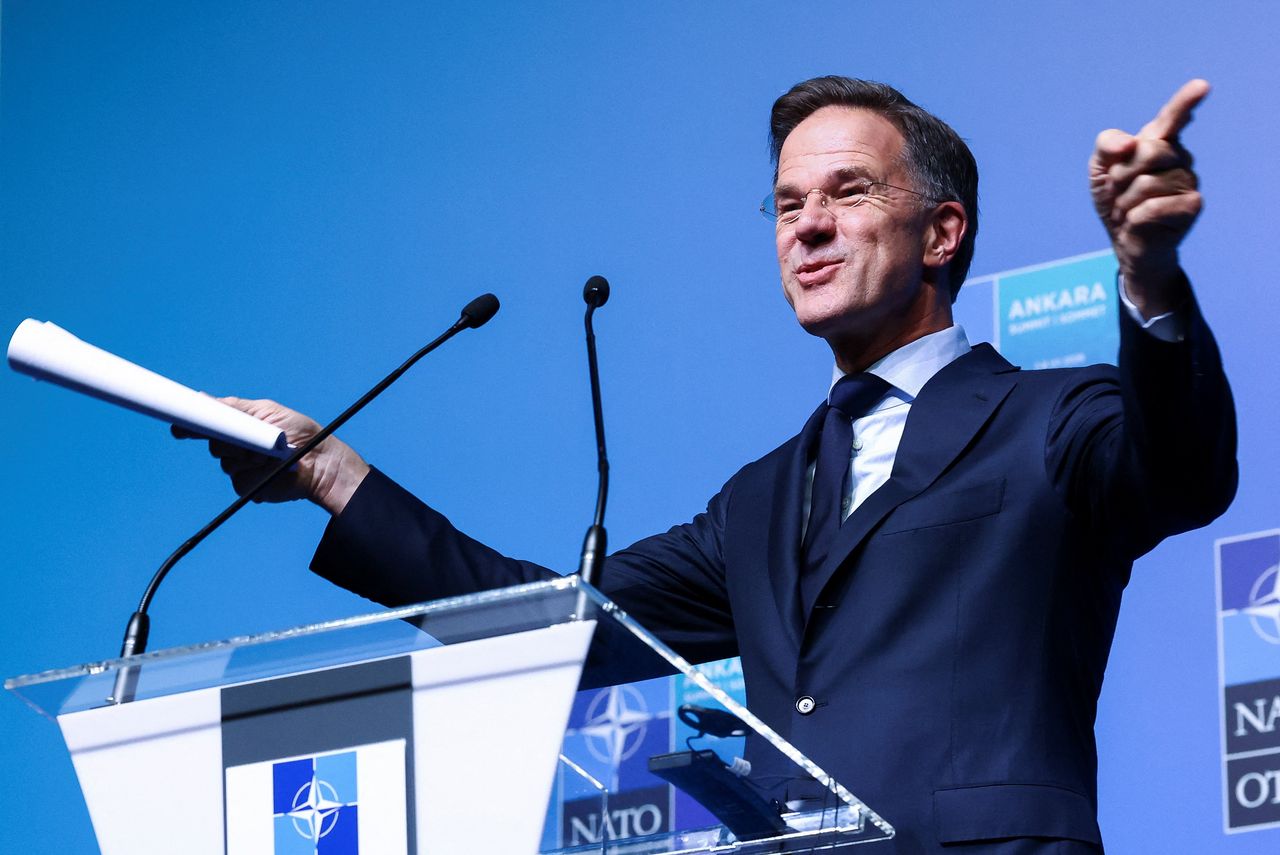
Rutte similarly argued that NATO must prepare for an increasingly interconnected security environment in which challenges extend beyond Europe to encompass the Middle East, terrorism, cyber threats and strategic competition with China.
Rather than replacing NATO’s traditional mission, those issues are increasingly becoming part of it.
Related
The road after Ankara
If previous NATO summits were defined by new pledges, the Ankara gathering may ultimately be remembered for shifting the alliance’s focus towards implementation.
The summit already delivered a series of concrete outcomes that could shape the alliance in the years ahead. Leaders reaffirmed the drive towards the new 5 percent defence spending benchmark, unveiled fresh multinational defence industry initiatives aimed at boosting production and procurement, expanded cooperation on emerging technologies including drones and innovation, and reinforced NATO’s long-term deterrence posture against evolving security threats.
The summit also underscored a greater role for allies such as Turkiye in strengthening the alliance’s industrial and military capabilities. Rather than redefining NATO overnight, Ankara laid the foundations for the alliance’s next phase of adaptation. Its significance lies in the direction it set.
Higher defence spending, expanded industrial production, closer defence cooperation and greater emphasis on resilience now form the pillars of NATO’s next phase.
Whether those ambitions become reality will determine the alliance’s future, as reflected in the declarations issued in Ankara.
Related