
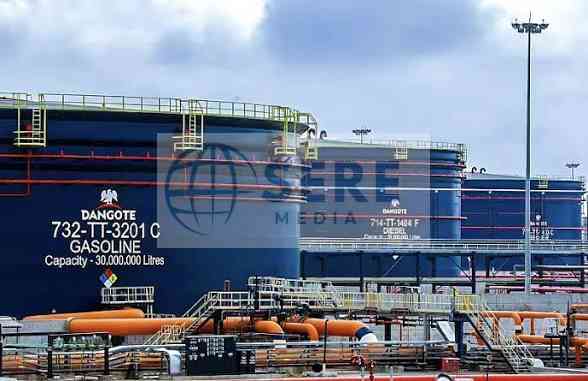
Nigeria’s automotive industry is expected to witness significant growth in 2026, with new vehicle sales projected to increase by 7.6 percent, according to a recent forecast by BMI. The report attributes the anticipated rise largely to the economic benefits arising from the operations of the Dangote Refinery.
BMI noted that improved fuel availability and greater stability in the downstream petroleum sector are expected to support business activities and boost demand for both commercial and passenger vehicles across the country.
The Dangote Refinery has played a major role in transforming Nigeria’s energy landscape by increasing local refining capacity and reducing reliance on imported petroleum products. Analysts believe this development could lower fuel supply disruptions and operating costs for transport companies and businesses that depend heavily on logistics services.
As economic activities gradually improve, businesses are expected to expand their fleets, while individual consumers may also return to the vehicle market amid improving confidence in the economy.
Industry observers say commercial vehicles, buses, and passenger cars are likely to experience stronger demand as transportation and logistics sectors continue to recover. Increased trading activities and growing urban mobility are also expected to contribute to higher vehicle sales.
The report further stated that supportive government policies aimed at encouraging local automobile assembly and investments in the automotive sector could strengthen market growth over the medium term.
Despite the positive outlook, challenges such as inflation, foreign exchange fluctuations, and the high cost of imported vehicles may continue to affect affordability for many Nigerians. However, analysts believe the overall direction of the market remains positive.
With domestic fuel production expanding and economic conditions gradually improving, Nigeria’s automotive sector is expected to benefit from renewed investor confidence and increased consumer demand in 2026.
The projected growth reflects broader optimism about the country’s economic recovery and the potential impact of large-scale industrial investments on key sectors of the economy.