Nigeria’s telecom companies are entering a new phase of competition where the focus is shifting from simply gaining new subscribers to improving data quality, network strength, and infrastructure.
With about 185.5 million active subscriptions as of March 2026 and teledensity at 85.67%, the market is nearing saturation, leaving operators to find new ways to grow.
MTN Nigeria remains the industry leader with 95.7 million subscribers and a 51.62% market share, after adding 2.6 million users in the first quarter of 2026.
Airtel Nigeria follows with 63.6 million subscribers and 34.3% market share, recording the highest growth by adding 2.7 million new users in the same period.
Globacom is a distant third with 22.6 million subscribers, growing slowly after losing millions of users during the 2024 NIN-SIM verification exercise. T2 trails behind with 3.4 million subscribers despite recent efforts to expand.
Industry experts say competition is now driven more by network performance than subscriber numbers. With internet usage rising to over 1.42 million terabytes in March, customers are increasingly choosing networks that offer faster, more reliable data services.
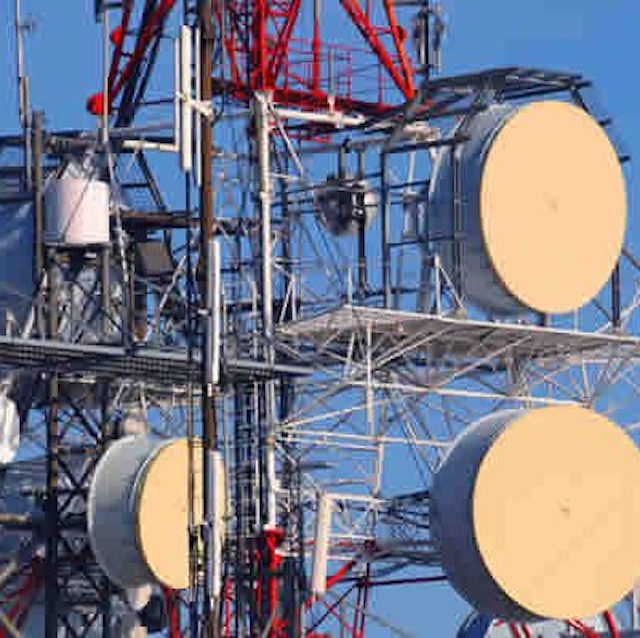
As a result, telecom operators are investing heavily in expanding 4G coverage, preparing for 5G, deploying fibre infrastructure, and increasing network capacity.
MTN invested about ₦1 trillion in 2025 to expand its fibre network, add base stations, and improve capacity, and it plans to continue this level of spending.
Airtel has also grown its network footprint to nearly 17,200 sites nationwide, up significantly from about 13,000 three years ago, helping to reduce congestion and improve service quality in busy areas.
Globacom has upgraded its network nationwide to deliver faster 4G services, while T2 has partnered with Huawei to rebuild its core network as part of efforts to regain market share.
Meanwhile, the Nigerian Communications Commission (NCC) is increasing pressure on operators to improve service quality by requiring them to compensate customers when standards are not met.
The regulator says reliable telecom services are essential for economic activities, communication, and access to digital opportunities, warning that poor service can affect productivity and public confidence.
Overall, Nigeria’s telecom market is shifting from a race for more subscribers to a battle for better data services, with operators competing to deliver faster, more reliable connectivity.