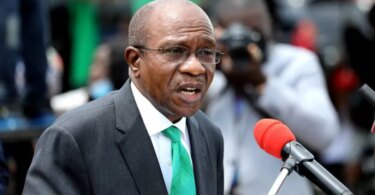

The Governor of the Central Bank of Nigeria (CBN), Mr Yemi Cardoso, says Nigeria anticipates remittances from citizens living abroad to increase by two-thirds in 2026 as it seeks to bolster its foreign-exchange reserves to $1 billion monthly.
“We are expecting that by the end of the year, we will hit about a billion Dollars a month from diaspora remittances,” he said at the 14th Annual BusinessDay CEO Forum in Lagos on Thursday, themed From Stability to Shared Prosperity.
Mr Cardoso said remittances are expected to be boosted from more than $600 million currently, banking on the CBN’s deliberate target at remittances to diversify reserve sources beyond oil earnings.
According to him, the apex bank engaged Nigerians abroad, banks and international partners to identify barriers to official remittance flows.
He said the lender subsequently reviewed policies to ensure easier movement of funds into and out of the country.
Mr Cardoso described the approach as providing free entry and free exit for foreign exchange.
He said the reforms helped double diaspora inflows within one year and exceeded initial expectations, also projecting annual remittances could reach about $8 billion if the current momentum was sustained, adding that the development reflected growing confidence in Nigeria’s financial system and foreign exchange market.
Mr Cardoso said reforms introduced by the apex bank had restored stability in the foreign exchange market and improved investors’ confidence.
He identified exchange rate unification as one of the central bank’s major achievements under the reforms programme.
According to him, replacing multiple exchange rate windows with a market-driven system eliminated distortions and improved transparency.
Mr Cardoso said improved foreign exchange liquidity and stronger reserves were among the gains from the reforms.
He said Nigeria’s net external reserves had risen from about $3 billion at the start of the reforms to above $40 billion currently, noting that gross external reserves had grown to about $52 billion, representing about 10 months of import cover.
According to him, the reserves are designed to shield the economy from external shocks and excessive market volatility.
He said the reserves were not meant for routine interventions or day-to-day exchange rate management.