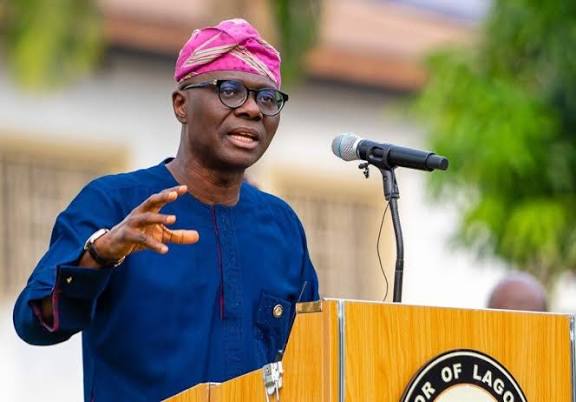
Governor Babajide Sanwo-Olu deserves credit for the transformation going on at the Tolu Schools Complex in Ajegunle. Turning the place into what he calls a “school city” is a bold move, and it shows that education is getting attention.
The Tolu complex is not just any school environment. It is one of the largest in the country, with 36 schools made up of primary, junior and senior secondary schools, serving thousands of students in a densely populated area. For years, the place had problems-overcrowded classrooms, old buildings, flooding, and poor learning conditions.
So, building new classroom blocks and fixing old structures is a welcome step. It will reduce congestion and give students a better place to learn. No child should be forced to study in an unsafe or uncomfortable environment.
But while this project is commendable, Lagos State must go beyond infrastructure.
Education is not only about buildings. Classrooms alone will not produce quality learning if there are not enough teachers, learning materials, and proper supervision. Many public schools still face shortage of teachers, poor welfare for educators, and lack of modern teaching tools.
Also, maintenance is key. Lagos has a history of building projects that look good at the beginning but are poorly maintained over time. If proper care is not taken, these new classrooms could fall back into disrepair within a few years.
Another concern is scale. Tolu Schools Complex is just one location. There are many other public schools across Lagos facing similar or worse conditions. The government must ensure that this kind of upgrade is not limited to a single “showcase” project, but extended to other communities.
There is also the issue of access and quality. With thousands of students in one complex, proper management is critical. Without strong coordination, such a large system can become difficult to manage, affecting discipline and learning outcomes.
The idea of a “school city” is good. It shows vision. But the real test is whether it will improve learning results, reduce dropout rates, and prepare students for the future.
Lagos wants to be a leading digital and economic hub. That ambition must start with strong basic education. If the foundation is weak, the future will suffer.
In the end, this project should not just be about buildings or numbers. It should be about real impact on students’ lives.
The government has started well. Now it must stay consistent, expand the effort, and focus on quality, not just quantity.