How big is the jet fuel threat to Europe’s summer holidays? The EU says it is not facing shortages yet, but it is preparing for the worst and weighing options, including using US kerosene as a backup.
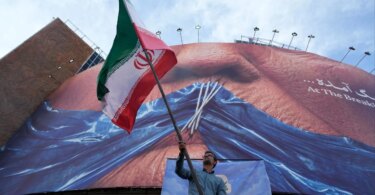
The US-Israeli war with Iran and the closure of the Strait of Hormuz have sent aviation fuel prices soaring and raised the spectre of shortages during Europe’s peak travel season.
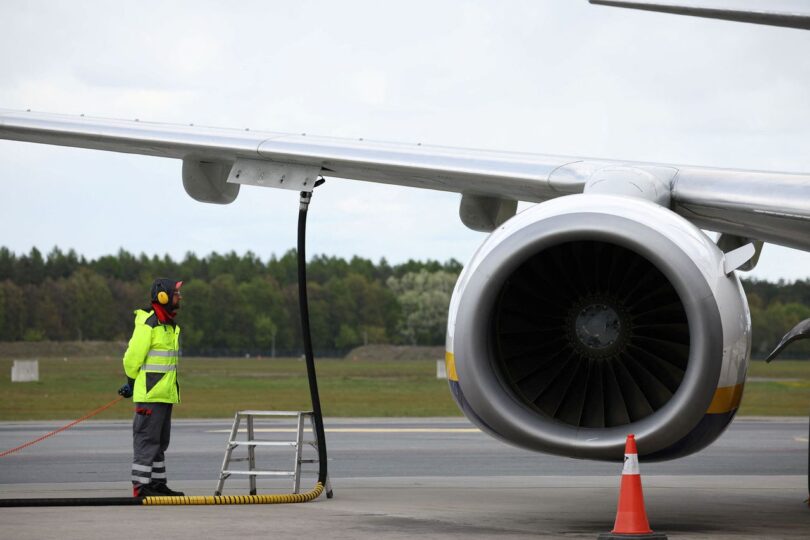
On Friday, the EU Aviation Safety Agency (EASA) is due to publish recommendations on allowing the use of Jet A, a US-produced aviation fuel that is not currently used in Europe for technical reasons.
At the same time, the European Commission will outline measures available to member states to optimise jet fuel use, including aircraft loading and the allocation of airport slots.
Related
What about Europe’s jet fuel stocks?
Brussels has repeatedly insisted the 27-nation EU is not yet facing jet fuel shortages.
“At this stage, this is more a problem of economics and fuel costs than availability,” Matteo Mirolo, an aviation transport specialist, told AFP.
But “we do have to think about supply, especially as this will not be the last crisis we face.”
Before the Middle East war, around 20 percent of the kerosene consumed in Europe transited through the Strait of Hormuz, which has been effectively closed by the conflict.
As prices have surged, several airlines, particularly low-cost carriers, have announced flight cancellations.
If the crisis drags on, Brussels is preparing for possible “security of supply issues,” EU energy commissioner Dan Jorgensen said on Tuesday.
“We are not there yet, but it can happen,” Jorgensen said.
The commission said last week it would establish a “fuel observatory” to track EU production, imports, exports and stock levels of transport fuels. It is expected to be up and running in the coming days.