Follow our live coverage here.
BRUSSELS – The EU will propose measures to “optimise” jet fuel distribution among member states and help source alternative supplies, with energy flows through the Strait of Hormuz still at a standstill.
The European Commission, the bloc’s executive arm, will announce on April 22 that it will propose these measures as early as May, according to a draft document seen by Bloomberg.
Around 40 per cent of the bloc’s jet fuel is imported and half of that comes through Hormuz.
While Europe is expected to have enough jet fuel to avoid shortages in April, pressure on supplies is set to intensify the longer the key waterway stays closed, Bloomberg reported in March.
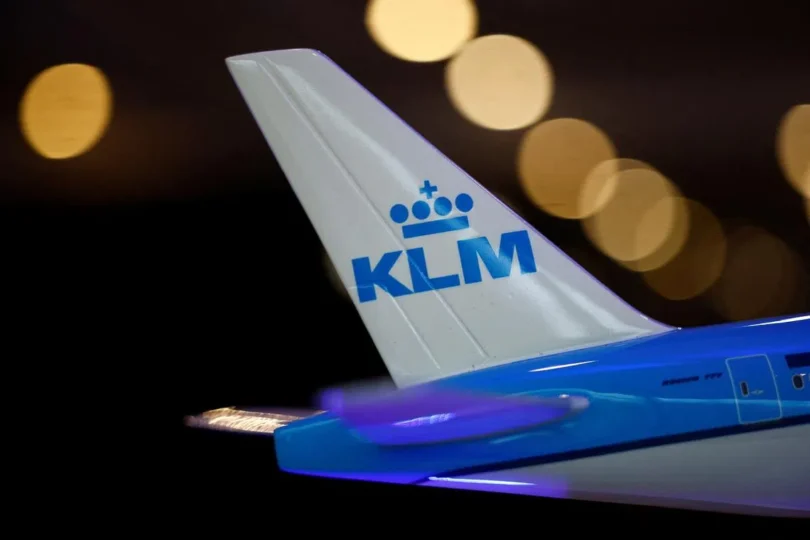
Dutch flag carrier KLM NV said last week it would scrap 80 return flights to and from Amsterdam’s Schiphol Airport in May due to rising costs.
The commission will also issue guidance outlining flexibilities in existing legislation, concerning areas such as airport slots and the consequences of flight cancellations in the event of fuel shortages.
It will also address so-called fuel tankering – where aircrafts load extra fuel at the point of departure to avoid buying pricier fuel at their destination.
If that does not suffice, the commission will propose temporary changes to the rules, according to the draft, which is still subject to change.
It will also undertake a review of oil stocks across the region, create an observatory to map the supply of relevant fuels and take measures to maximise refinery capacity and boost domestic production of advanced biofuels.
The commission does not comment on draft documents.
US President Donald Trump and Iranian officials have offered disparate views on the next stage of the war, casting uncertainty over future peace talks, with a ceasefire set to expire in the coming days.
Over the weekend, the US Navy fired upon and boarded an Iranian-flagged cargo ship in the Gulf of Oman, the first seizure in the US blockade of the Strait of Hormuz.
The commission’s plan is also aimed at making the EU more resistant to future price spikes and includes a big push to electrify the economy to weaken the bloc’s dependence on imported fossil fuels. BLOOMBERG