The European Union is facing what officials describe as an unprecedented strain on its energy system, according to comments made by European Commissioner for Energy Dan Jorgensen during a joint press briefing in Brussels with Moldovan Energy Minister Dorin Junghietu. As he stated, ?we are experiencing the worst energy crisis in history.?
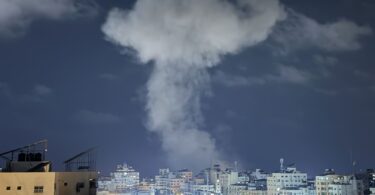
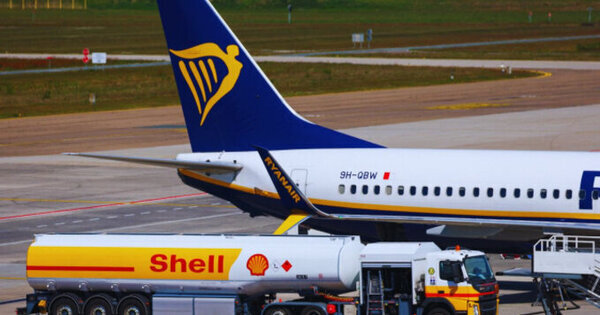
Jorgensen emphasized that the situation remains highly serious even under the most favorable outlook. He warned that rebuilding damaged gas infrastructure in Qatar, affected by Iranian strikes, could take years. The Commissioner did not exclude the possibility of supply shortages in fossil fuels within the EU, particularly kerosene, adding that emergency political measures may be required and preparations are already underway.
He also pointed to rising geopolitical instability, noting that the recent escalation linked to Iran has already driven up fossil fuel import costs for the EU by around 30 billion euros. In his assessment, energy dependence represents not only an economic burden but also a strategic risk for the bloc.
At the same time, global market pressures are intensifying. Analysts at Goldman Sachs report that worldwide oil inventories are shrinking toward their lowest level in eight years, with current stocks covering roughly 101 days of consumption. If existing trends continue, reserves could fall to around 98 days by the end of May, a level not seen since 2018.
The reduction in reserves is largely attributed to disruptions in supply chains, including restrictions affecting shipping routes through the Strait of Hormuz. While analysts do not currently foresee a critical depletion threshold, they note that the pace of drawdown is raising concern across energy markets.
Additional pressure comes from regional supply interruptions and declining fuel stocks. Prior to recent military actions involving the United States and Israel against Iran, oil product reserves equaled roughly 50 days of consumption; this figure has since dropped to about 45 days.
The situation has been further complicated by US naval activity, including the interception of 48 vessels linked to Iran and a declared blockade of Iranian ports in mid-April. Against this backdrop, global oil prices have continued to climb, with Brent crude surpassing 126 dollars per barrel on April 30, reaching its highest level in four years.