BERLIN – With US President Donald Trump and his team preoccupied with the war in Iran, Europe is preparing for a longer war in Ukraine, with dwindling expectations for a negotiated settlement between Moscow and Kyiv.
That leaves Ukraine largely on its own, fighting a war of attrition with Russia with no end in sight. Neither Ukraine nor Russia has a clear path to victory, and no one expects that a settlement of the war could be possible without the active American involvement and pressure on Russia that Mr Trump has always been reluctant to exercise.
Nor is there an obvious replacement mediator with any significant leverage with the two sides.
Fifteen months after Mr Trump vowed to end the war in a day, “we find ourselves largely where we began in the negotiations”, said Mr James Sherr, a Russia and Ukraine analyst speaking from Kyiv, Ukraine’s capital.
He added: “Increasingly, the Europeans understand that there is a fundamental incompatibility of interests and objectives between Ukraine and Russia, and the only sensible course is to continue to stand with Ukraine and deny Russia a victory by military or political means.”
President Volodymyr Zelensky of Ukraine “has lost 80 per cent of his illusions” about his ability to get Trump’s support, Mr Sherr said. “He’s in a very different place in his understanding of America.” The Ukrainians believe that they are holding their own militarily, and that any resolution of the war “will take place on the battlefield, if at all,” he said.
There are some back-channel conversations continuing at a lower level between Kyiv and Washington, The New York Times has reported. Ukrainian officials continue to push for three-party talks with the United States and Russia, which has rejected them. The Ukrainians have even suggested that the area of the eastern Donbas region that Moscow and Washington demand Ukraine abandon be called “Donnyland”, an effort to appeal to Mr Trump’s vanity. But serious talks have stopped for now.
As for the negotiations, “the truth is Russia has never taken them seriously”, said German Defence Minister Boris Pistorius at a Ukraine contact group meeting in April. “This is why it is all the more important to support Ukraine.”
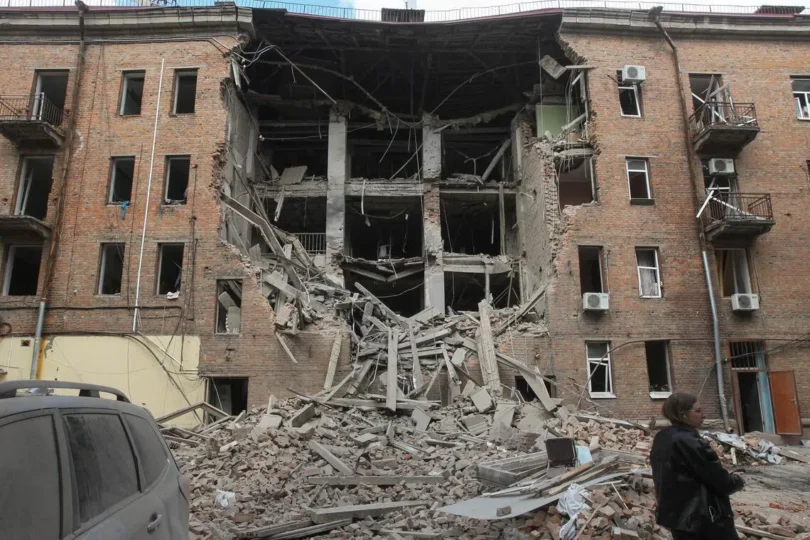
The decision on April 22 by the European Union to provide Ukraine a €90 billion (S$134.6 billion) interest-free loan is a powerful sign of European commitment to Ukraine in the face of American disinterest and intensified Russian attacks on Ukrainian civilian infrastructure.
The Europeans underlined that support with two more packages of sanctions aimed at Russia, its economic interests and its oil exports through its shadow fleet. The 20th package, approved on April 23, had been held up since February by Slovakia and Hungarian Prime Minister Viktor Orban, who lost his bid for re-election in parliamentary elections in April. The officials are already working on a 21st package to keep up with Russian adaptations.
Europeans hope that Russian President Vladimir Putin will come to accept that Moscow has gained what it can in Ukraine and should pocket its wins and negotiate seriously to end the conflict, but they recognise that Mr Putin wants to deal with Washington, not Brussels, said several European officials who spoke anonymously to discuss sensitive diplomatic issues.
So they would welcome a renewal of serious American engagement if it meant also pushing Putin to make concessions, not only Mr Zelensky.
With the European money, Ukraine has the resources and capacity for some time, and it “doesn’t need a deal at any cost this year,” said Mr Alexander Gabuev, the director of the Carnegie Russia Eurasia Center.
The situation on the front line can change, but the Ukrainians are managing well, he said, adding that “it doesn’t look like the Russians will make meaningful gains, but continue to take colossal losses for small ones”, while the economic pressure on Moscow has been alleviated somewhat by higher energy prices.
So neither side feels great pressure to settle now, he said.
The Ukrainians have had some success in damaging Russia’s oil infrastructure. But the problem for the Europeans is that “we lack a theory of victory for Ukraine”, said defence expert Claudia Major of the German Marshall Fund. The idea was to put enough pressure on Russia to change its calculus, “but we never gave the Ukrainians enough to do that”, she said.
“Now we just try to keep the Ukrainians in the game until something in Moscow changes – someone dies or is thrown out the window or the economy collapses,” she said. “But it’s not a strategy.”
Mr Zelensky has shown anger towards the Americans, who continue to favour Mr Putin’s demands. He has been seeking new diplomatic and military partners, sharing drone expertise with Saudi Arabia and the Gulf States and making arms-production deals with Britain and Germany.
The Ukrainian President also criticised Mr Trump’s decision to ease sanctions on Russian oil production to keep down global energy prices, saying: “In my view, Russia played the Americans again – played the president of the United States.” He said he had resisted pressure from unnamed parties – implicitly, Washington – to halt attacks on Russian energy infrastructure.
Recently, he criticised plans of Mr Steve Witkoff and Mr Jared Kushner, Mr Trump’s chief negotiators, to visit Moscow again in the near future while they have never been to Kyiv. “It’s disrespectful to come to Moscow and not Kyiv, it’s just disrespectful,” he told Ukrainian channel ICTV.
European Union officials accept that they are too committed to Ukraine to be seen as a mediator by Moscow. But Paris has nonetheless tried to open talks with Russia.
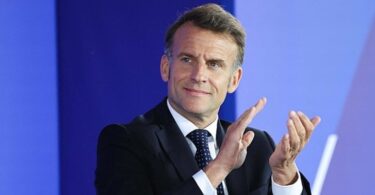
French President Emmanuel Macron made a unilateral outreach to Moscow, sending his chief foreign policy adviser, Mr Emmanuel Bonne, there in February. The idea was to ensure that Europeans were not sidelined in talks over Ukraine, but the Russians were largely dismissive, with Russian Foreign Minister Sergey Lavrov calling it “pathetic diplomacy”. The Ukrainians and Baltic nations were nervous, but little has come out of Mr Macron’s effort.
For now, at least, Ukraine feels emboldened with new European money and some progress on the battlefield; Mr Putin has not achieved his objectives even as his economy benefits from higher energy prices from the war in Iran; and Washington is distracted and losing interest.
So the war continues, and a ceasefire or settlement still feels far away. NYTIMES
Additional reporting by Jim Tankersley, Jeanna Smialek and Mark Landler