FIFA has introduced a major change to the group-stage tiebreaking system for the 2026 World Cup, replacing overall goal difference with head-to-head records as the primary criterion for separating teams level on points.
Under the new format, teams with the same number of points will first be ranked based on the results of matches played against one another, marking the first time the World Cup will adopt the head-to-head system.
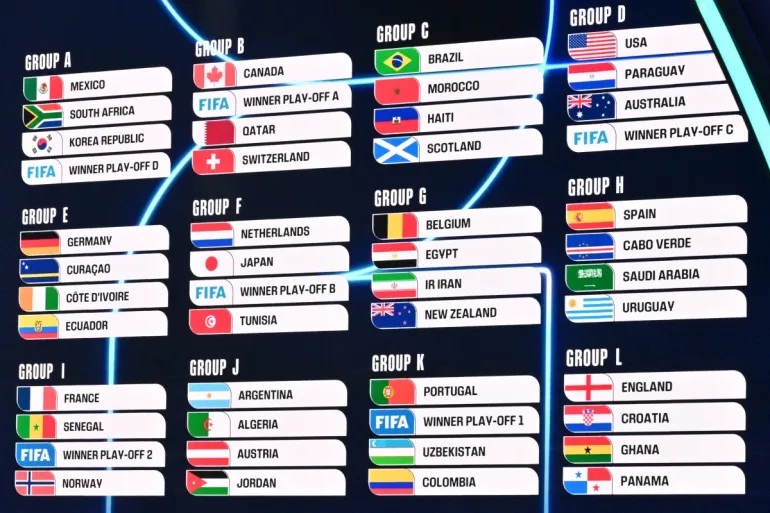
The change has already influenced the tournament, with Haiti and Turkey eliminated despite finishing only three points behind the third-placed teams in their respective groups. Meanwhile, co-hosts Mexico and the United States have already secured top spot in their groups with one game to spare.
Until 1966, FIFA used goal ratio — determined by dividing goals scored by goals conceded — to separate teams tied on points. In 1970, the governing body switched to goal difference, a method that remained in use for more than 50 years.
The latest adjustment aligns the World Cup with UEFA competitions, where head-to-head records have long taken precedence over overall goal difference.
According to FIFA, the change is intended to provide a fairer method of ranking teams by placing greater emphasis on direct encounters and reducing the impact of lopsided scorelines or exceptional results.
The world football governing body first tested the system at last year’s Club World Cup, where Brazilian side Flamengo finished top of Group D ahead of eventual champions Chelsea after both teams ended level on points.
The new rule is expected to add another layer of drama to the group stage, with teams now needing to pay closer attention to their head-to-head results rather than relying solely on a superior goal difference.