
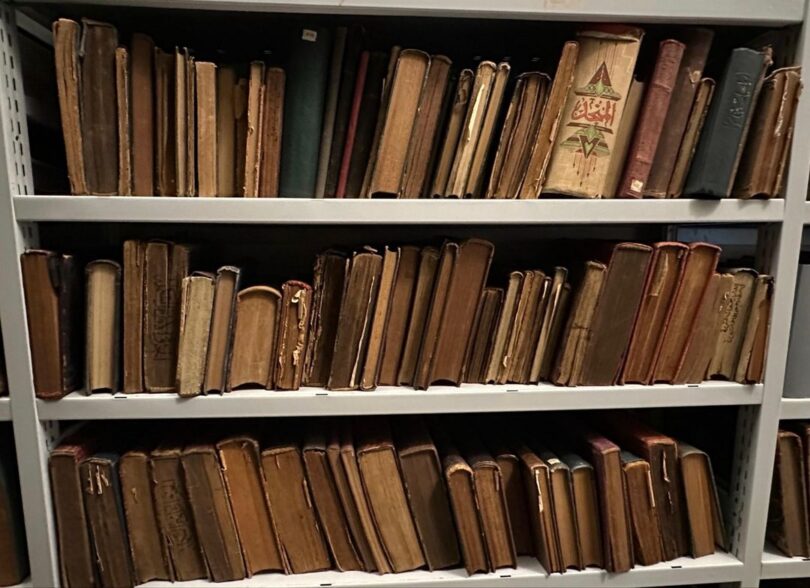
Artificial intelligence (AI) companies are increasingly buying thousands of used books, digitising them to train large language models and destroying the original copies, according to media reports, fuelling debate over copyright protections.
Since early this year, antiquarian booksellers across Europe have reported unusually large orders from Canadian company Zoom Books, according to US, German and Swiss media outlets.
Booksellers said the company has primarily sought nonfiction and academic titles published in the 1970s, often purchasing dozens or even hundreds of books from individual sellers. The books are reportedly shipped to temporary warehouses in Germany before being transported to Canada and the United States.
Industrial destruction
According to The Washington Post, many of the books undergo “destructive scanning”, a process in which bindings are removed, pages are scanned using high-speed industrial equipment and the remaining physical copies are recycled.
The newspaper also reported that AI company Anthropic spent tens of millions of dollars under its “Project Panama” initiative to acquire and digitise millions of printed books. Court documents cited by the newspaper said the company hired specialists who had previously worked on Google’s large-scale book digitisation project.
Zoom Books denied participating in the digitisation and destruction of books for AI development.
Related
Copyright concerns intensify
The reported practice has intensified debate over whether existing copyright laws adequately regulate the use of books for AI training.
In a recent blog post titled AI Is Eating the Book World, Jannis Lennartz of Humboldt University in Berlin said the growing demand for used books reflects unresolved legal questions and broader cultural concerns.