
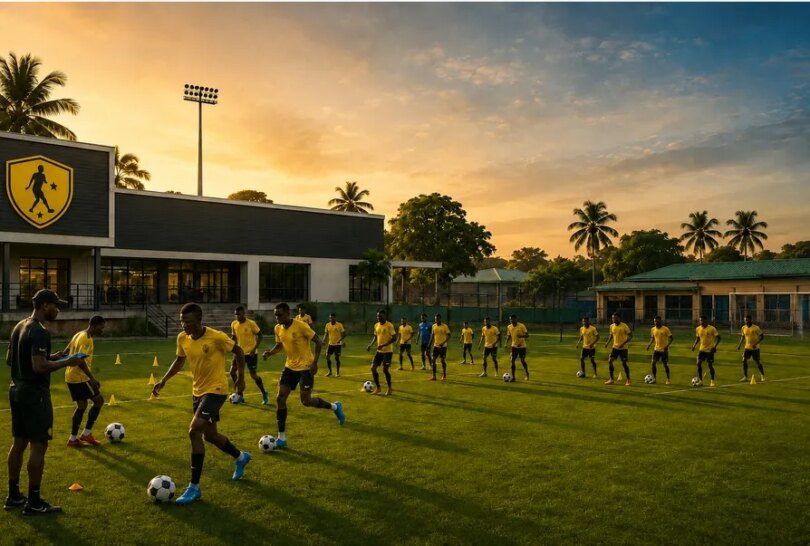
The logic is straightforward. A successful talent system can develop players, generate transfer income, attract sponsors, and strengthen club performance. As a result, investment in player pathways now influences football analysis, player markets, and betting interest across the region.
West Africa remains one of the world’s most productive football talent hubs. Players from Ghana, Senegal, Côte d’Ivoire, Mali, and other countries continue to move into top European leagues. Many of those careers started in local talent programs that received steady investment and professional management.
Football audiences increasingly consume content through digital platforms. Many supporters follow player development, transfer news, and performance statistics in one place. Entertainment options often appear alongside sports content, and features such as online slots on 1xBet form part of the broader group of digital services that many football fans use throughout the season.
Football talent programs offer something many sports projects cannot provide. They create assets that can appreciate in value over time.
A promising player may arrive with little commercial value. Several years later, that same player can generate a transfer fee worth millions of dollars. Clubs understand this equation. Investors understand it as well.
The region already provides strong evidence. Transfer records show that footballers developed in West African talent systems continue to secure contracts with clubs across Europe, North America, and the Middle East. Those transfers create revenue streams that help finance future development programs.
Three factors continue to attract investors:
Some talent program operators compare player development to venture capital. Many players may never reach elite level. One successful transfer can still justify years of investment.
Investment in player development systems involves much more than coaching sessions and training pitches. Modern development centers operate like professional businesses.
Investors fund facilities, medical support, performance analysis, scouting networks, and player support services. Clubs seek efficiency at every stage because player development requires patience. Returns rarely appear overnight.
A single successful transfer can transform a development center’s financial position, yet sustainable projects depend on producing quality players year after year. Consistency matters more than one breakthrough star.
Several West African talent programs maintain partnerships with clubs abroad. These relationships help players gain exposure, create pathways toward professional contracts, and increase potential returns.
Investors increasingly favor structured development programs over short-term spending. They want systems that continue producing talent long after individual players leave.
Football development in West Africa looked very different twenty years ago. Many talented players relied on informal pathways to reach professional clubs.
Today, organized talent systems play a much larger role. Better facilities, qualified coaches, and stronger recruitment systems have changed the process.
The transformation has influenced local football economies in several ways:
These changes created more structured club operations . Clubs can now plan for long-term growth rather than relying only on matchday income.
The economic impact extends beyond football itself. Talent programs generate employment for coaches, analysts, medical staff, administrators, and facility managers. They also attract sponsors seeking exposure within football communities.
Some observers describe talent development as the region’s most valuable football export. The statement may sound bold, yet transfer activity supports that argument.
Real-world examples illustrate the scale of investment in player development systems. Senegal’s Generation Foot has built one of the most successful development models in African football. The organization helped produce players who later joined major European clubs and national teams. Ghana’s Right to Dream followed a similar path, combining player development with long-term commercial planning. In Côte d’Ivoire, ASEC Mimosas developed a reputation for producing professional footballers who moved to leading leagues abroad. These projects demonstrate how structured investment can create both sporting and financial returns.
Football recruitment no longer relies solely on traditional scouting. Data now plays a larger role in identifying prospects and evaluating performance.
Investors pay attention because data reduces risk. Better information helps clubs decide where to allocate resources.
Modern talent programs track physical performance, match statistics, and technical development. Coaches use this information to refine training programs and monitor progress.
One development program director described football data as “a second set of eyes.” The phrase reflects how clubs evaluate talent more efficiently.
A growing number of clubs also use video analysis software. Scouts can review matches from different regions without extensive travel costs. This approach improves efficiency and expands recruitment networks.
Football often rewards patience. Some players progress quickly, while others require additional years before reaching professional standards.
Financial reports from football organizations worldwide show that player trading remains a major source of revenue. West African clubs want a larger share of that market. Investment in talent systems represents one route toward achieving that goal.
A few projects already demonstrate encouraging results. Several regional talent programs have produced players who later competed in major European competitions. Those success stories attract fresh investment and strengthen confidence in the model.
One long-term trend appears especially interesting. International investors increasingly look for football projects that combine sporting success with commercial sustainability, and well-managed talent systems often satisfy both objectives.