When the April 16 ceasefire was announced, Israeli Prime Minister Benjamin Netanyahu said Hezbollah’s disarmament would be a fundamental demand in peace talks with Lebanon.
The Washington meetings mark the highest-level contact between Lebanon and Israel in decades.
Both Lebanon and Israel are broadening their delegations for this round, after the sides were represented by their ambassadors to Washington in the previous two meetings.
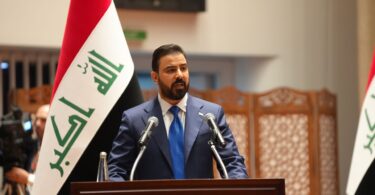
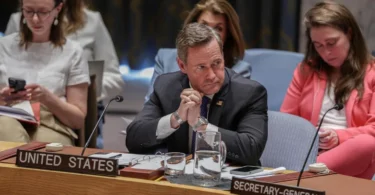
Lebanese Presidential Special Envoy Simon Karam and Israel’s Deputy National Security Adviser Yossi Draznin will participate in the talks, as well as senior Israeli military representatives, a State Department official said.
The talks are due to take place on Thursday and Friday, the State Department has said.
The US-led mediation between Lebanon and Israel has emerged in parallel to diplomacy aimed at ending the US-Iran conflict.
Iran has said that ending the war in Lebanon, triggered by Hezbollah when it opened fire in support of Tehran on March 2, is one of its demands for a deal over the wider conflict.
Trump hosted the last meeting between the Lebanese and Israeli ambassadors to Washington at the Oval Office, saying at the time he looked forward to hosting Netanyahu and Aoun in the near future, and that he saw “a great chance” the countries would reach a peace deal this year.
Aoun later said the timing was not right for a meeting with Netanyahu, and that Lebanon must first secure “a security agreement and a halt to the Israeli attacks, before we raise the issue of a meeting between us”.
Related
Lebanese Prime Minister Nawaf Salam, in a May 10 interview with the pan-Arab broadcaster Al Arabiya, said Lebanon’s principles in negotiations were shoring up the ceasefire, securing a timetable for Israeli withdrawal, and winning the release of Lebanese prisoners held by Israel.
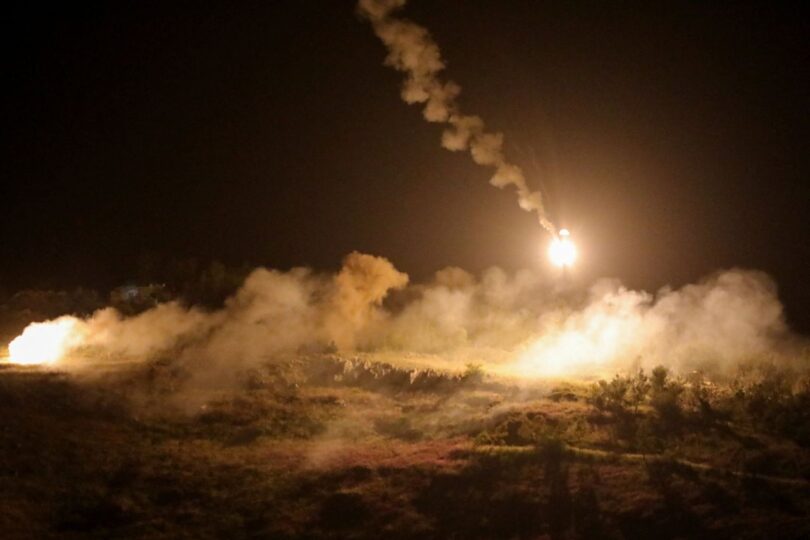
The Lebanese health ministry says the war has killed 2,896 people in Lebanon since March 2, including 589 women, children and medics. Its toll does not say how many combatants have been killed.
Some 1.2 million people have been driven from their homes in Lebanon, many of them fleeing from the south.
Israel says 17 of its soldiers have been killed in southern Lebanon, along with two civilians in northern Israel.