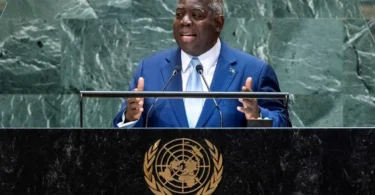
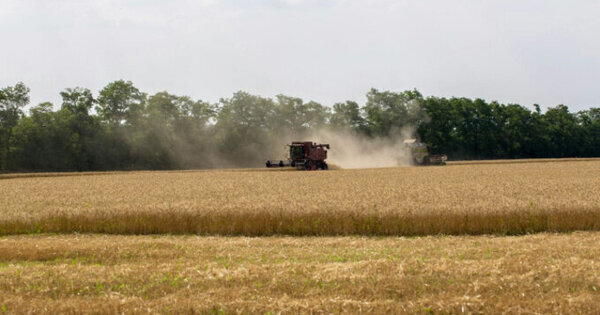
The rise in fuel prices is pushing up the cost of wheat production in Bulgaria by as much as 10 euros per decare, according to Iliya Prodanov, chairman of the National Association of Grain Producers. He linked the increase to broader global instability, including the war in the Middle East, which he says is directly feeding into production expenses.
Speaking on BNT, Prodanov explained that fuel accounts for a significant share of agricultural costs, typically around 12 to 15 percent of total production. He noted that recent fuel price increases, roughly 60 euro cents over the past month to six weeks, have already had a measurable impact.
?Given the growth we have at the moment, about 60 euro cents in the last month or month and a half, the direct impact on the cost is about 6 euros per decare increase,? he said, adding that combined effects from other inputs raise the overall burden further.
He rejected claims that Bulgarian farmers rely on unregulated or illicit fuel sources, calling such suggestions unfounded. According to him, agricultural producers purchase fuel at standard retail prices and later receive partial excise tax reimbursement.
?This is absolutely false. Agricultural producers in Bulgaria benefit from the excise tax refund and the fuels are something that it is absurd for anyone to think that they can be unreal,? Prodanov stated.
He further explained that farmers do not access discounted fuel at gas stations but pay market prices, with reimbursements arriving later, covering around 70 percent of the excise duty. In his view, the system should be expanded to the European maximum level of 95 percent to ease pressure on the sector.
Prodanov also pointed to broader cost increases affecting agriculture, saying that the war in Iran is driving up prices of key inputs beyond fuel. He cited sharp rises in fertilizers and other materials used in production.
He described the situation as severe, with some inputs nearly doubling in price within a short period. He also highlighted steep increases in infrastructure-related goods such as irrigation equipment.
?Rapidly, maybe about 100% is the increase in 30 days, as well as everything related to petroleum products. I will give an example with irrigation pipes, 80% is the growth in irrigation pipes in 30 days,? he said.
According to him, these combined pressures are being carefully analyzed by the sector, as producers try to assess the full impact on costs and output. He stressed that wheat production costs have risen overall by around 10 euros per decare due to the current geopolitical situation.
He also compared the current crisis with the impact of the war in Ukraine, noting that earlier disruptions led to higher output prices, which helped offset costs. In contrast, he said current market conditions are far less favorable.
At present, global grain prices remain at their lowest level in nearly 17 years, a situation he attributed to oversupply. This, he argued, creates a structural problem for Bulgarian producers, who are unable to sell at prices that cover their expenses.
?The prices of our final production are at a low point since 17 years ago. Because the world produces more than it eats,? Prodanov said, warning that farmers are effectively operating without profit.
He concluded that without long-term policy solutions, including state support and market stabilization measures, the sector risks continued financial strain, with many producers unable to cover their real production costs.