
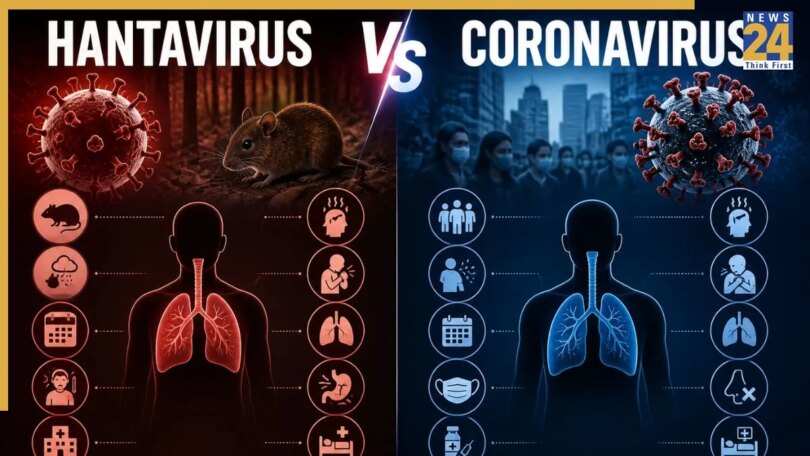
News about an outbreak on a cruise ship has put Hantavirus back in the spotlight, making many people compare it to COVID-19.
How these viruses spread

2 / 6
Hantavirus mostly comes from rodents. You can catch it by breathing in dust or touching surfaces contaminated with their waste, but it almost never spreads from person to person. COVID-19 is much more “social”, it travels easily through the air when people talk or cough, which is why it spreads across the globe so quickly.
Symptoms you should watch for

3 / 6
Hantavirus usually starts with standard flu-like symptoms like fever and muscle aches but can turn into a serious breathing struggle very fast. COVID-19 is a bit of a wildcard, it can be anything from a mild cough or losing your sense of taste to severe pneumonia.
Which virus is deadlier

4 / 6
If you look at the percentages, Hantavirus is much scarier for the individual, with a death rate that can hit 40% or even 50%. COVID-19 has a much lower death rate per case, but because it’s so contagious, it has unfortunately caused a much higher number of deaths overall.
Treatment and precautions

5 / 6
We don’t have a specific vaccine for Hantavirus yet, so doctors focus on supportive care like oxygen. The best defense is simply keeping mice and rats out of your home. For COVID-19, we now have plenty of tools like vaccines, masks, and better treatments to help manage the risk.
Final takeaway, rare vs widespread threat

6 / 6
The bottom line is that Hantavirus is more dangerous if you actually catch it, but it stays pretty rare and local. COVID-19 is less deadly on its own but much more of a public threat because it’s so hard to contain. Both are worth knowing about, but they definitely require different levels of worry.