The world consumes much more gas than it did during the oil shocks of the 1970s and 1990s. During the Arab oil embargo and the Iranian Revolution, the LNG industry was nascent. Qatar first exported LNG in 1996.
The current disruption also extends beyond crude and gas into fuel markets.
How big is the disruption?
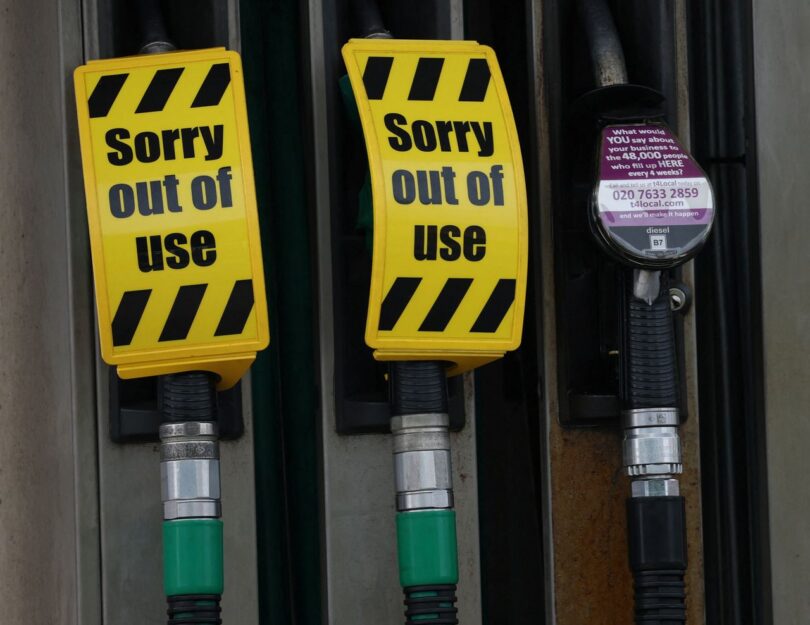
The US-Israeli war on Iran has disrupted millions of barrels per day of fuel production and exports from refineries in the Gulf, triggering shortages of jet fuel and diesel. Huge refineries built inside the Gulf in recent decades are key to global fuel supplies.
Based on that approach, the current conflict has lasted 52 days and removed an estimated 624 million barrels from the market, assuming a loss of 12 million barrels per day over that period, according to Reuters.
Even if a peace deal is reached quickly, supply disruptions are expected to persist for months and, in the case of gas, for years, pushing the final cumulative impact significantly higher.
The IEA says the 1979 Iranian Revolution resulted in a peak loss of 5.6 million bpd, smaller in scale than the current disruption. The revolution, however, led to a larger cumulative loss, according to Reuters.
According to the US Department of Energy, the revolution caused an average drop of 3.9 million bpd in Iran’s crude oil production from 1978 to 1981, a loss of some 4.27 billion barrels over three years, although the US says much of this loss was compensated by Iran’s Gulf neighbours.
Related