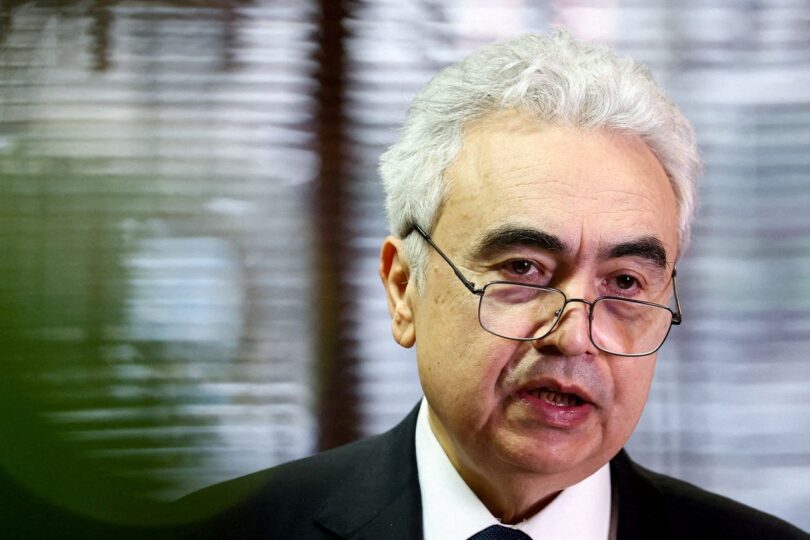
The IEA chief also pointed to the impact of the war in Ukraine, which disrupted oil and gas flows and reshaped global supply chains, particularly in Europe.
He noted that Russia remains a key player in global energy markets despite sanctions and shifting trade patterns, adding to volatility in prices and supply routes.
Birol compared the current situation to the oil shocks of the 1970s but said the present crisis was even more severe due to its combined impact on oil, gas, fertilisers and petrochemicals.
He warned that the crisis could deepen inflation and slow global growth, with particularly serious consequences for emerging economies, including countries in Africa and South Asia.
On Europe, he said, countries such as France are relatively better prepared but will still face higher prices and pressure on household purchasing power.
He added that restoring stability could take years, noting that damaged energy infrastructure and market volatility could require at least two years to normalise conditions.
Birol also said the crisis could accelerate the global energy transition, with renewables, nuclear power and electric vehicles emerging as key beneficiaries, while some countries may temporarily increase coal use.
Related