The International Monetary Fund (IMF) has revealed that Nigeria had about 2 per cent of GDP worth of public spending not recorded in recent official budgets, creating a gap between its reported deficit and actual financing needs.
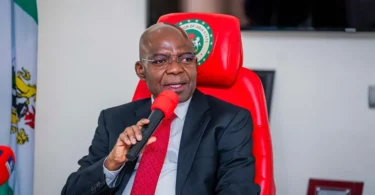
IMF resident representative in Nigeria, Mr Christian Ebeke, said on Wednesday, during a session with business executives in Lagos, the country’s commercial capital.
The discrepancy means the country’s fiscal deficit appears smaller than the level of borrowing, because some capital spending was not included in budget documents or implementation reports.
Mr Ebeke said these unreported expenditures are linked, in part, to large government projects carried out off-budget, distorting assessments of Nigeria’s fiscal stance and public investment levels.
“So far, we think that there are about 2 per cent of GDP of expenditure that were not reported that should be reported and should be recorded, so that this statistical discrepancy will disappear,” said Mr Ebeke.
The lack of full reporting can also complicate coordination between fiscal and monetary policy, as policymakers may not have a clear picture of the true deficit, he added.
Mr Ebeke also clarified that the Nigerian government has begun addressing the issue by repealing and revising recent budget laws to incorporate previously unrecorded spending, though updated implementation reports are still needed.
He added that improving transparency is critical, noting that off-budget spending raises concerns about procurement processes and oversight.
In its latest Article IV review, the IMF praised Nigeria’s sweeping reforms, saying they had strengthened economic stability and investor confidence, but warned that the benefits had yet to reach millions of citizens and could be undermined by global shocks, including the Middle East conflict.
According to the Bretton Woods institution, the implementation of Nigeria’s new tax laws should gradually increase revenue collection, while the use of digital tools to track, verify and collect revenues could reduce leakages and corruption vulnerabilities.
The IMF said higher revenues would create fiscal space for development projects and social spending, but warned that the timing of any additional taxes should take into account the country’s worsening social conditions.