The Independent National Electoral Commission (INEC) is weighing plans to conduct a mock presidential election and carry out a comprehensive audit of its electoral technology systems as part of preparations for the 2027 general elections.
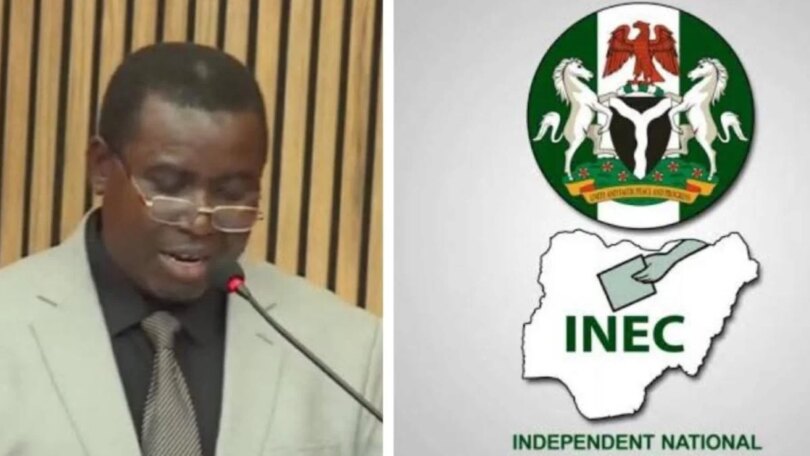
The proposal was disclosed by the Chairman of the commission, Prof. Joash Amupitan (SAN), during a meeting with the British High Commissioner to Nigeria, Dr. Richard Montgomery, at the commission’s headquarters in Abuja on Thursday.
According to the INEC chairman, the planned exercises are aimed at strengthening the credibility of future elections and addressing concerns raised after the 2023 general election, particularly regarding the performance and reliability of election technology.
Amupitan said the commission is exploring the possibility of testing its systems through a nationwide mock presidential election before the actual polls.
He explained that the exercise would help assess the readiness of electoral processes, identify potential weaknesses and ensure that critical technology performs effectively under election conditions.
“The commission was looking at the possibility of auditing all its systems ahead of the 2027 election, as well as conducting a mock presidential election, to test the readiness of its processes and technology before the actual polls,” he said.
He noted that the proposals were not initially captured in the commission’s budget. However, he stressed that INEC would consider ways to implement them because of their importance to electoral transparency and public trust.
The electoral body is also reviewing its technological infrastructure as part of broader reforms ahead of the next general election. These efforts include continued deployment of the Bimodal Voter Accreditation System (BVAS) and the INEC Result Viewing Portal (IReV), as well as improvements to cyber-security measures.
Amupitan said the review covers areas such as system redundancy, penetration testing and disaster recovery mechanisms designed to protect election data and improve operational efficiency.
He maintained that public confidence in elections is closely linked to the reliability of the systems used by the commission.
According to him, INEC remains committed to learning from previous experiences and addressing identified challenges before Nigerians return to the polls in 2027.
The chairman further highlighted election technology and cyber-security as major areas of cooperation between Nigeria and its international partners. He said the commission values the support it receives from the United Kingdom and organisations such as the International Foundation for Electoral Systems (IFES).
Amupitan also reiterated INEC’s commitment to conducting credible, transparent and inclusive elections, adding that the success of the electoral process depends on the collective efforts of political parties, security agencies, civil society groups, development partners and citizens.
Speaking during the visit, Montgomery said the UK Government has continued to monitor developments within Nigeria’s electoral space and preparations for future elections.
The envoy said Britain had followed recent off-cycle elections and ongoing preparations for upcoming polls, describing support for Nigeria’s democratic process as an important aspect of the relationship between both countries.
He pointed to the strategic partnership signed by Nigeria and the United Kingdom in 2024, as well as President Bola Tinubu’s visit to the UK earlier this year, as evidence of growing cooperation between both nations.
Montgomery, who is expected to complete his diplomatic assignment in Nigeria in the coming weeks, assured the commission of continued British support. He expressed confidence that his successor would maintain close engagement with INEC as preparations for the 2027 general election gather momentum.