A fresh warning by Iran has shifted attention to a lesser-known but critical risk in the Gulf region, which is the vast network of undersea internet cables. These cables, hidden deep beneath the sea, carry most of the world’s data and keep banking systems, cloud services, and daily communication running. Now, experts fear they could become the next pressure point in regional tensions.
Could internet cables be the next target in the Gulf?
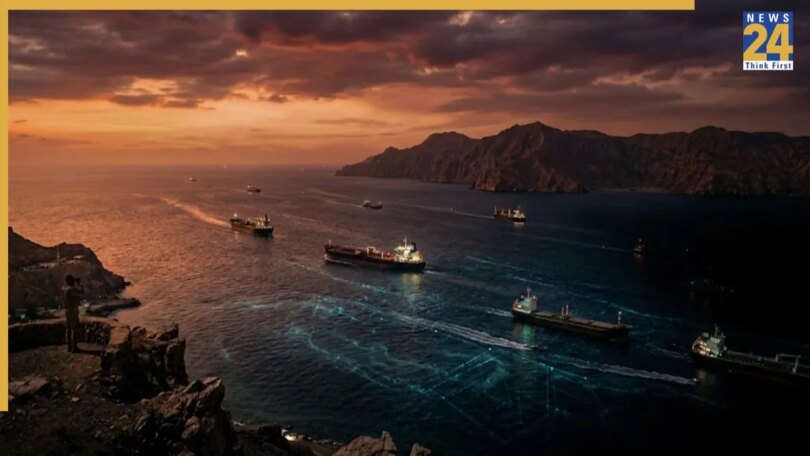
The warning, reported by Tasnim News Agency, suggests that any damage to key undersea cables in the Strait of Hormuz could trigger widespread internet outages. This narrow waterway is already known as a global energy chokepoint, but it is also equally important for digital connectivity.
Major submarine cable systems such as FALCON submarine cable system, AAE-1 cable system, TGN-Gulf cable system, and SEA-ME-WE cable network pass through this region. These cables handle huge volumes of data for countries like the United Arab Emirates, Qatar, Bahrain, Kuwait, and Saudi Arabia.
Why is this region so vulnerable?
The biggest concern is the clustering of multiple cables in a narrow corridor. If several cables are damaged at the same time, it could disrupt internet services across multiple countries. Compared to its neighbours, Iran is believed to rely less on these routes, making others more exposed.
Groups like the Iran-backed Houthis in Yemen have also previously threatened such infrastructure.
What could happen if cables are cut?
Even a single cable cut can reroute massive data traffic, slow financial transactions, and disrupt communication networks. Reports have also suggested that facilities linked to Amazon Web Services in the UAE and Bahrain may have been targeted in recent drone strikes.