DUBAI/WASHINGTON, D.C.: Iranian and U.S. technical teams working on how to carry out a temporary peace deal are expected to meet in Doha in the coming days, a source told Reuters on Tuesday.
This comes after back-and-forth strikes over the weekend that risked damaging the fragile agreement.
U.S. President Donald Trump also confirmed in a social media post that a meeting would take place in Doha this week, but he did not give further details.
Mediators have set up communication channels to reduce tensions if incidents happen, and technical discussions are expected to continue, the source familiar with the talks said.
A senior Iranian source said there would be a meeting in Doha on June 30, but unlike earlier technical talks between Iran and the U.S. in Switzerland, this meeting would focus on managing the Strait of Hormuz and lowering tensions.
The U.S. and Iran signed a 14-point memorandum of understanding on June 17 to end four months of conflict. Under this deal, both sides agreed to stop fighting and reopen the strait, through which about one-fifth of the world’s oil and liquefied natural gas usually passes.
When the waterway was closed, oil prices rose above US$100 per barrel, increasing global inflation and creating political pressure ahead of Trump’s midterm elections. On the morning of June 29, Trump highlighted falling oil and gas prices in several social media posts.
The agreement allows 60 days for deeper talks on more difficult issues such as Iran’s nuclear program, although both sides have given different versions of what was agreed.
Iranian President Masoud Pezeshkian said on June 29 that $6 billion out of $12 billion in Iranian assets frozen in Qatar would be released after the agreement and returned to Iran, according to state media. He called the deal, which includes easing sanctions on Iran’s oil and petrochemical sectors, “a great victory for the Iranian people.”
The senior Iranian source said Qatar and Iran were in the final stages of working out the technical details for the release of the first $6 billion in frozen funds, to be paid in two installments. He added that the process has been very difficult.
Oil prices rose on June 29, with Brent crude futures increasing by nearly 1% after the weekend tensions showed how fragile the U.S.-Iran agreement is.
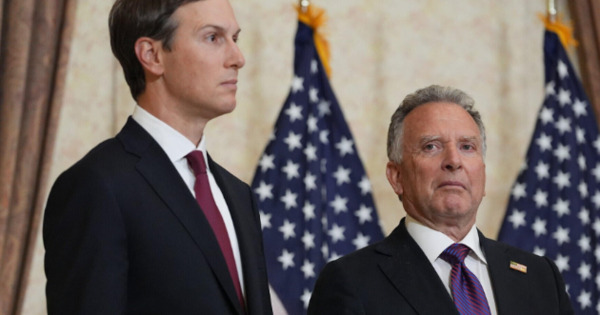
White House Press Secretary Karoline Leavitt said on Fox News on June 29 that U.S. envoys Steve Witkoff and Jared Kushner would travel to Doha this week for high-level meetings, which would happen alongside the technical talks. She added that the U.S. believes it is honoring the ceasefire and warned that any violence would be answered with force.
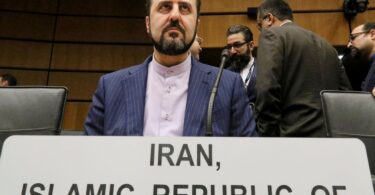
However, amid uncertainty over the temporary deal, Iran’s Deputy Foreign Minister Kazem Gharibabadi said earlier on June 29, before Trump’s post, that no technical working group meetings were scheduled for this week, according to Iran’s Tasnim news agency.
He said discussions with Qatar, including on monitoring whether both sides are meeting their commitments, were continuing as usual.
French President Emmanuel Macron said on June 29 that he was working with Oman to reduce tensions in the Middle East and would cooperate with partners to clear mines from the Strait of Hormuz.
After meeting Oman’s Sultan Haitham bin Tariq al-Said at the Elysee Palace, Macron said they had agreed to work with partners to remove mines from the strait to make shipping routes safe and ensure free and unconditional passage through the Strait of Hormuz.