Tensions between the United States and Iran rose sharply again on Friday as fresh military clashes near the Strait of Hormuz raised fears about the future of the fragile ceasefire. The latest conflict comes at a time when Washington is trying to pressure Tehran economically by tightening control around the strategic waterway. However, a new CIA assessment has reportedly shocked many in the US administration by suggesting that Iran may be able to survive an American blockade for nearly four months without facing severe economic collapse. The report has raised serious questions about whether Donald Trump’s pressure strategy is actually working.
CIA Report Raises Questions Over US Strategy
According to a report first published by The Washington Post, American intelligence officials believe Iran is stronger economically than initially expected. The CIA assessment reportedly says that even if the US blocks Iranian ports and shipping routes, Tehran can continue operating for several months without major economic breakdown.
One US official admitted that the blockade may not create immediate pressure on Iran, weakening Washington’s bargaining power during nuclear negotiations. Another intelligence official, however, argued that the restrictions are still hurting Iran gradually.
The report has become a major talking point because the US strategy heavily depends on economic pressure to force Iran into accepting stricter nuclear conditions.
Trump Warns Iran With “Project Freedom Plus”
US President Donald Trump said on Friday that he expected a response from Tehran soon regarding America’s latest proposal linked to the nuclear talks and regional tensions.
But Iran reportedly did not send any official reply by the time reports were published. Speaking to reporters, Trump warned that if negotiations fail, Washington could return to a tougher military strategy.
He referred to a possible operation called “Project Freedom Plus,” suggesting that America may consider stronger action if diplomacy does not succeed. Trump did not explain the details of the plan, but his comments added to growing concerns about a wider regional conflict.
Fresh Military Clash In Hormuz
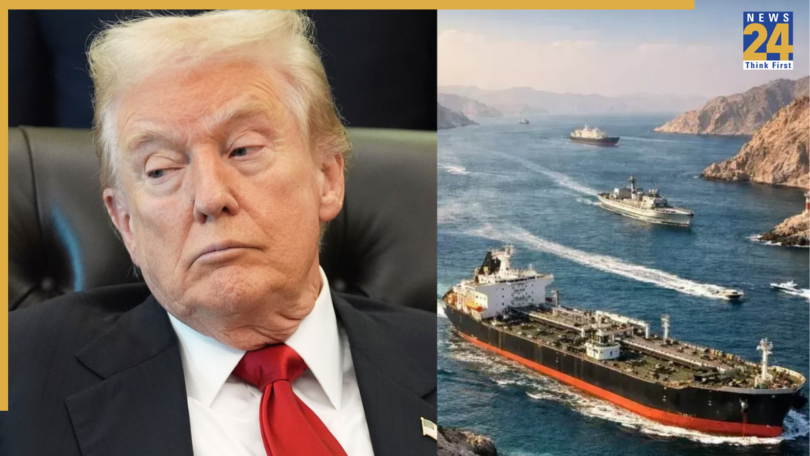
Earlier on Friday, US forces reportedly attacked and disabled two Iranian oil tankers near the Strait of Hormuz. According to the American military, the ships were trying to break through the blockade imposed around Iranian ports.
The US military also claimed that it successfully stopped attacks on three naval vessels moving through the region. In response, American forces carried out strikes on Iranian military positions near the waterway.
At the same time, the United Arab Emirates reported another missile and drone attack allegedly launched by Iran. These developments have increased fears that the temporary ceasefire between Washington and Tehran may not last long.
Why Hormuz Matters To The World
The Strait of Hormuz remains one of the world’s most important oil routes. A large percentage of global crude oil shipments passes through this narrow waterway every day. Since the conflict escalated earlier this year, disruptions in the region have already pushed global fuel prices higher.
While both sides continue talking about diplomacy, the latest clashes show that the situation remains extremely fragile. The coming days may decide whether negotiations move forward — or whether the region heads toward another dangerous escalation.