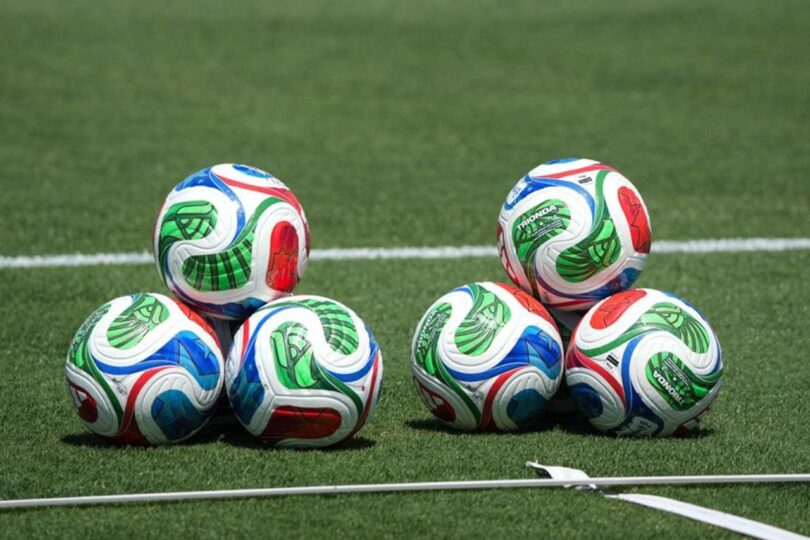
The wait is over for the biggest World Cup ever with 48 teams, 104 matches, three host nations and a slew of questions and controversies swirling around the highly scrutinsed event that will last for nearly six weeks.
The tournament kicks off in Mexico City on Thursday amid concerns about soaring ticket prices and political tensions. There are unprecedented logistical challenges to staging a three-country event across the United States, Canada and Mexico.
All of that is separate from the on-field drama that will play out through the July 19 final as football’s top stars battle for the sport’s biggest prize.
“This will be the biggest, the most inclusive, the greatest FIFA World Cup ever,” declared FIFA president Gianni Infantino, who has predicted 7 million fans will pack the stadiums and 6 billion more will be watching from afar. “FIFA is the official happiness provider for humanity.”
That remains to be seen. The tournament kicks off in the US, which hosts the majority of the games, at a time of rising inflation, the US-Israeli war on Iran and the US policies regarding immigration.
Related
Political football
US President Trump has been a big supporter of the World Cup coming to America, repeatedly hosting Infantino at the White House and speaking in glowing terms about the tournament.
Infantino has gone to great lengths to strengthen those relations, awarding Trump the inaugural FIFA Peace Prize last year.
There was also the Tiffany-crafted golden Club World Cup trophy, which sat in the Oval Office after America hosted the tournament last year.
In an interview with broadcast DAZN, Trump said he asked FIFA when it would pick up the trophy. He was told: “You can have it forever in the Oval Office. We’re making a new one.”
Then came US-Israeli war with Iran, which has led to a surge in oil prices and destabilisation in the Middle East.
Iran’s participation in the World Cup has been marred by visa issues that Tehran says have prevented some 15 administrative and management staff in its delegation from entering the United States.
Rising tensions also prompted Iran to announce that it was moving its World Cup training base to the Mexican border city of Tijuana rather than Tucson, Arizona, as originally planned.
On Tuesday, Iran’s football federation said the US has revoked its allocation of tickets for its World Cup group games, accusing the co-host of obstructing the attendance of Iranian supporters under the shadow of a bitter diplomatic row.
Iran open their campaign against New Zealand in Los Angeles on June 15, before facing Belgium in the same city on June 21 and Egypt in Seattle on June 26.

Related
Somali referee denied entry
The controversy surrounding Iran’s visa issues was followed by reports that Iraqi star Aymen Hussein was subjected to hours of questioning upon arrival in the US, prompting further criticism of FIFA’s lack of response.
Hussein, one of Iraq’s key players, was reportedly interrogated for approximately seven hours at Chicago O’Hare International Airport.
Iraqi media reports said his mobile phone was also confiscated for inspection.
In a separate incident, the national team’s official photographer was denied entry into the US.
Iraq is set to make its first World Cup appearance since 1986.
The pre-tournament incidents have not been limited to players and team officials.
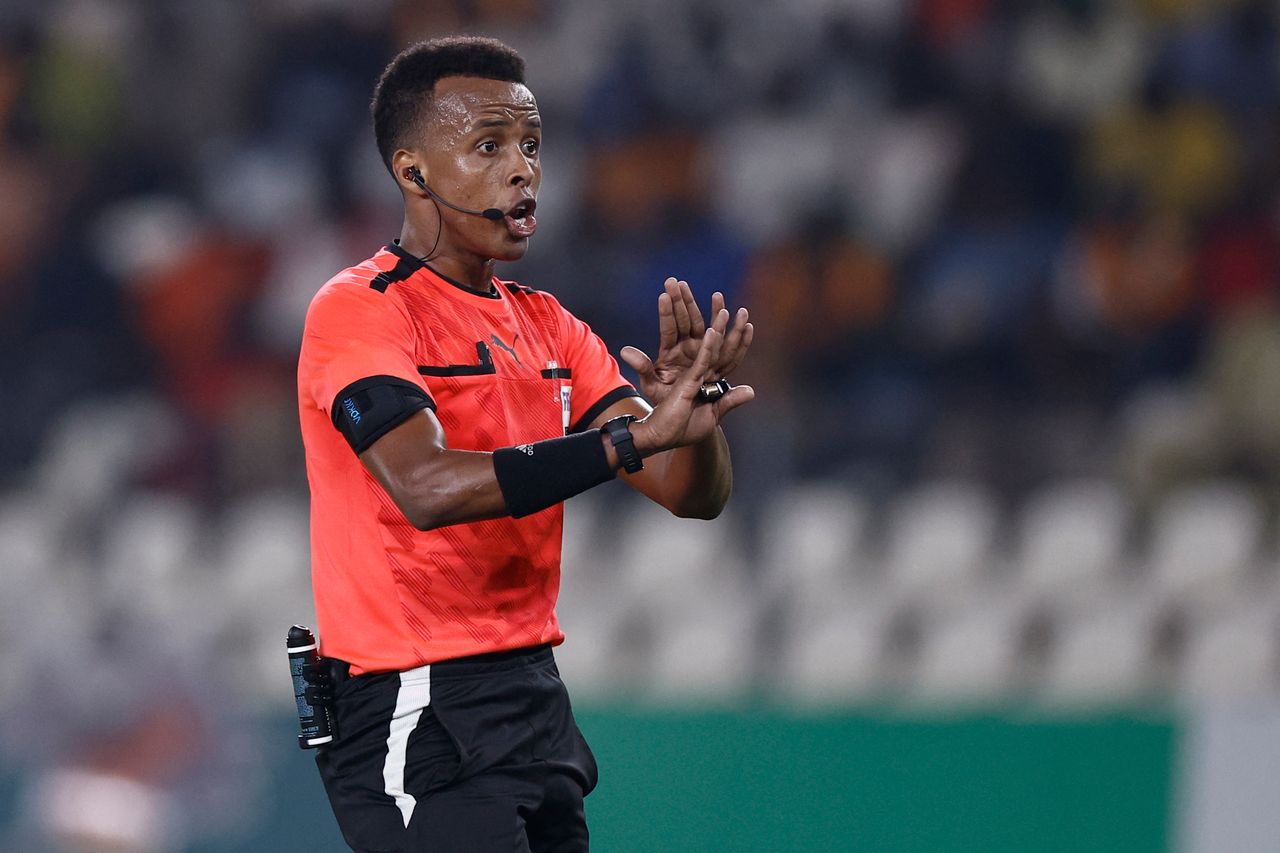
Somali referee Omar Abdulkadir Artan, selected by FIFA to officiate at the World Cup, was denied entry after undergoing screening procedures at Miami International Airport.
Artan, who was named Referee of the Year for 2025 by the Confederation of African Football, was also poised to become the first Somali referee to officiate at a World Cup.
The national teams of Senegal and Uzbekistan also attracted attention ahead of the tournament due to strict security procedures imposed in the US.
Videos circulating on social media showed Senegalese players undergoing detailed individual security screenings after landing in the country before being allowed to proceed through the terminal.
Similar scenes emerged involving the Uzbekistan national team.
Footage showed members of the delegation being subjected to security checks accompanied by police dogs before being allowed to enter a stadium in New York for a friendly match against the Netherlands.
The measures imposed on Uzbekistan, which is making its first-ever World Cup appearance, also generated widespread debate on social media.
Related
Exorbitant tickets?
FIFA has come in for fierce criticism over its ticket pricing strategy for this World Cup, which was already considered an expensive trip.
When tickets went on general sale in January they ranged from $140 to $8,680.
While some have since been made available for less, others have risen significantly — up to $32,970 for the final.