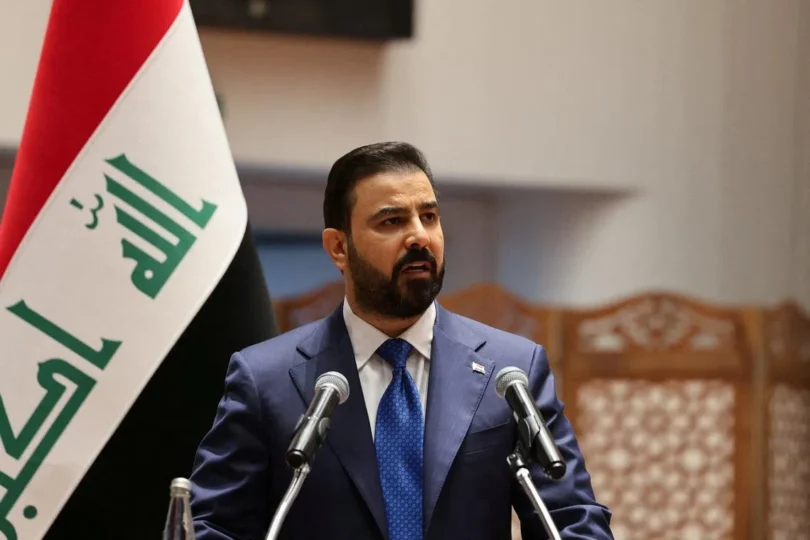
BAGHDAD, June 16 – Iraqi Prime Minister Ali al-Zaidi will visit Washington in mid-July with the aim of deepening strategic ties with the United States, focusing primarily on economic, trade, and investment cooperation, a government spokesperson said on Tuesday.
Spokesperson Haider al-Aboudi described the visit as an effort “to enhance the Iraqi-U.S. partnership based on mutual interests”.
“The government aims to broaden the horizons of our strategic partnership with global companies and stimulate an investment-friendly environment that contributes tangible benefits to the Iraqi economy while strengthening internal stability,” al-Aboudi told the state news agency.
Since taking office in May, al-Zaidi has signaled that rebuilding Iraq’s economy, attracting foreign investment, and combating corruption will be central to his administration’s agenda.
Iraq is seeking to reduce its reliance on oil revenues and tackle persistent challenges such as high unemployment, especially among the young, and creaking infrastructure.
However, al-Zaidi faces significant challenges, including the need to curb Iran-backed militias, tackle entrenched corruption, and balance relations between Washington and Tehran.
His planned visit to Washington, whose announcement comes just after the U.S. and Iran agreed an interim deal to end the war in the Middle East, is expected to test al-Zaidi’s ability to manage a complex diplomatic situation.
After being nominated for the premiership in April, al-Zaidi received congratulations from U.S. President Donald Trump, who said he hoped for closer cooperation between Baghdad and Washington.
Iraq and the U.S. maintain a strategic framework agreement covering security, economic, and cultural cooperation.
However, bilateral ties have occasionally been strained — mainly over the presence of U.S. troops in Iraq, Baghdad’s evolving relationship with neighbouring Iran, and U.S. pressure on Iraq to curb the influence of Iran-backed armed groups. REUTERS