DUBAI/WASHINGTON, D.C.: Israel and Hezbollah agreed to a ceasefire in Lebanon on June 19 after a rise in fighting threatened efforts to turn a temporary deal to end the war in Iran into a long-term peace agreement in the Middle East.
Talks between the United States and Iran in Switzerland, planned for June 19, were canceled as fighting in Lebanon intensified. This created new uncertainty about when negotiations would happen—talks that are important for reopening the Strait of Hormuz to global shipping.
A senior U.S. official said shortly before 4 p.m. Lebanon time that the ceasefire would begin at that time. The official said that after earlier clashes, both Israel and Hezbollah had agreed to stop fighting. U.S. and Qatari negotiators worked out the deal with help from Iran.
Two sources from Hezbollah, which is aligned with Iran, said the group had started following the ceasefire. A senior Israeli official also confirmed the ceasefire, saying that if Hezbollah does not attack, Israel will also not continue fighting.
However, the Israeli official said Israel would keep its troops in southern Lebanon, where it currently controls an area near its northern border.
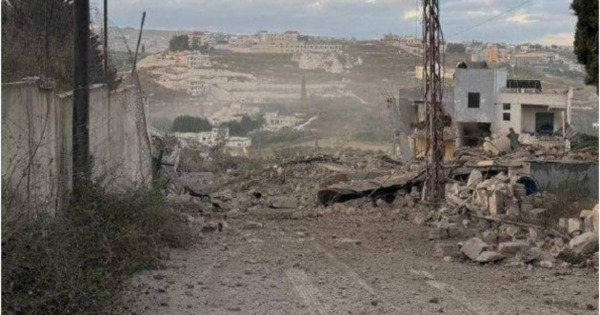
The recent fighting in Lebanon, where 18 people were killed in overnight airstrikes and four Israeli soldiers were killed by Hezbollah fighters, could affect broader negotiations. Ending the violence in Lebanon is one of the conditions for a wider agreement between the U.S. and Iran.
The preliminary agreement signed this week by the U.S. and Iranian presidents postponed decisions on Iran’s nuclear program and other difficult issues. The two sides now have 60 days to reach a final deal or extend the temporary agreement.
Preparations for technical talks in the Swiss resort of Buergenstock were nearly complete. However, U.S. Vice President JD Vance decided not to attend, according to sources. Earlier, a source said Iran’s lead negotiator, Mohammad Baqer Qalibaf, also did not plan to attend.
Switzerland’s foreign ministry said the talks were postponed but that it remains ready to host them and that preparations are ongoing.
Hezbollah lawmaker Hassan Fadlallah, referring to Iran’s position, said further talks depend on a full ceasefire being in place. He also said Lebanon’s government should not hold direct talks with Israel while Israeli attacks continue.
The broader temporary deal requires the U.S., Iran, and their allies to immediately and permanently stop military actions on all fronts, including in Lebanon. Israel, which was not part of the talks, says it is not bound by the agreement.