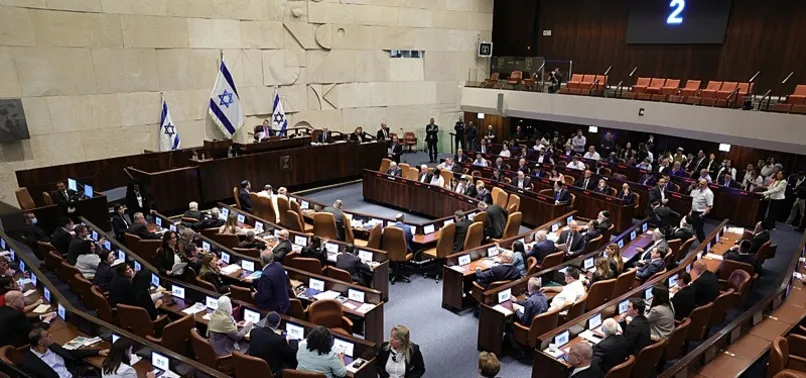
The Israeli Knesset (parliament) on Tuesday passed a law temporarily banning the arrest and prosecution of ultra-Orthodox Jews evading military service.
Lawmakers passed a bill exempting Haredi draft dodgers in the second and third readings by 58-54 votes, the daily Yedioth Ahronoth reported.
Prime Minister Benjamin Netanyahu was absent from Tuesday’s vote on the controversial bill, championed by the ultra-Orthodox parties.
The law grants tens of thousands of Haredi draft evaders immunity from arrest until Nov. 30, and extends that protection to those who become eligible for military service after it takes effect.
It also suspends ongoing criminal proceedings against those already facing enforcement measures.
There are roughly 72,000 Haredi men who were liable to arrest until today, according to figures released by the attorney general.
On Monday, Army Chief of Staff Eyal Zamir criticized the bill, saying it was “clearly and unequivocally inconsistent with the army’ needs” and amounted to “providing mass exemptions from prosecution.”
Israel’s Army Radio reported early Tuesday that the army is facing shortages of reserve personnel and combat-ready tanks, with some reserve formations nearing “effective collapse.”
Israel has witnessed frequent protests in recent weeks by thousands of ultra-Orthodox in rejection of mandatory military service and the arrest of draft dodgers.
Haredi, who account for about 13% of Israel’s population of 10 million, argue that military service threatens their religious identity and way of life because many devote themselves to Torah study. Prominent rabbis have urged followers to reject the draft and “tear up enlistment orders.”
For decades, most ultra-Orthodox men avoided military service through repeated deferments for religious study until reaching the exemption age, currently set at 26.
Opposition lawmakers accuse Netanyahu of pursuing legislation that would permanently exempt Haredi from military service to satisfy demands by the ultra-Orthodox Shas and United Torah Judaism parties, both of which left the governing coalition earlier this year but are expected to rejoin if such legislation is passed.