
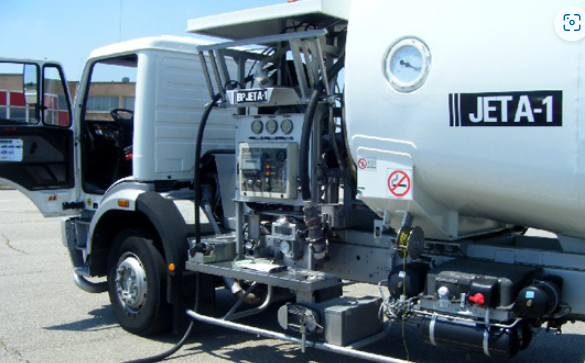
The Federal Government is considering debt waivers and tax relief measures to prevent a shutdown of domestic airline operations in Nigeria following a sharp rise in Jet A1 aviation fuel prices.
The move comes amid rising concerns over the sustainability of local airline operations, as fuel prices have surged in recent weeks.
The Minister of Aviation and Aerospace Development, Festus Keyamo, disclosed this after a high-level meeting in Abuja on Wednesday evening, according to Punch Newspapers.
The Airline Operators of Nigeria had initially planned to suspend flight operations on April 20, but the planned shutdown was later called off after government engagement, including commitments to urgent negotiations to address the crisis.
Jet A1 prices, a major driver of airline costs in Nigeria, reportedly rose from about N900 per litre in February to over N3,000 per litre as of April, driven by global supply disruptions linked to geopolitical tensions in the Middle East.
Speaking after the meeting, Keyamo said President Bola Tinubu had been briefed and directed immediate consideration of relief measures.
He said the first proposal is a “generous discount” on debts owed by airlines to aviation agencies, including the Nigerian Airspace Management Agency (NAMA), Federal Airports Authority of Nigeria (FAAN), and the Nigerian Civil Aviation Authority (NCAA), with the final decision to be taken by the President.
He added that the President commended airlines for maintaining fares despite rising costs, noting that government intervention was necessary to support the sector.
Keyamo also said a committee would be set up to review levies, taxes, and charges in domestic airfares, with recommendations expected to ease pressure on airlines and passengers.
While welcoming government intervention, airlines insisted that deeper reforms may still be required, including debt waivers, fuel pricing regulation, and improved access to low-interest financing.
The crisis escalated after operators warned of a nationwide suspension of flights on April 20, 2026, due to rising aviation fuel costs.
The warning raised concerns over possible nationwide travel disruptions. Following this, Keyamo appealed for suspension of the shutdown, warning it would severely affect Nigeria’s economy, trade, and mobility. He also confirmed emergency engagements and a high-level meeting held on April 22, 2026, to address the crisis.
Jet fuel costs now account for over 40% of airline operating expenses in Nigeria, compared to about 25% globally, according to industry estimates.
Globally, jet fuel shortages are also affecting parts of Asia and Europe, with some airlines reducing flight frequency amid supply pressures.
Nigeria’s aviation sector already faces heavy tax and levy burdens, which industry players say worsen fuel cost pressures.
From December 1, 2025, an additional $11.5 security levy under the Advance Passenger Information System (APIS) was introduced.
The report warned that Africa’s aviation tax burden remains among the highest globally, affecting affordability and airline profitability.