PRISTINA, June 8 – Kosovo Prime Minister Albin Kurti called for cooperation from other parties to end 18 months of political deadlock after his Vetevendosje party won a parliamentary election on Sunday but failed to secure enough votes to govern alone.
The tiny Balkan state wants to join the European Union, and Brussels says it needs to create strong institutions capable of delivering reforms needed for membership. But political instability has left Kosovo without functioning institutions, delaying reforms and the flow of EU funds, and political analysts said the impasse looks likely to continue.
Vetevendosje had 43% of votes after 99.4% of ballots were counted in Sunday’s election, the third in less than 18 months, official results showed.
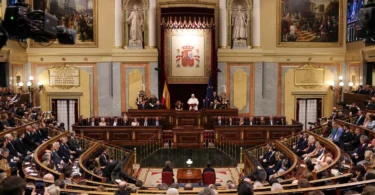
The Democratic Party of Kosovo was on 21% and the Democratic League of Kosovo was on 18% following the election, called after Kosovo’s fractured parliament failed to elect a speaker and then a new head of state.
Even with 100,000 votes from Kosovo’s diaspora still to be counted, Vetevendosje will not be able to secure the absolute majority needed to govern alone.
It is on course to fall short of the 51% of votes it won in an election in December, after which it was unable to reach an agreement with the opposition on a new president.
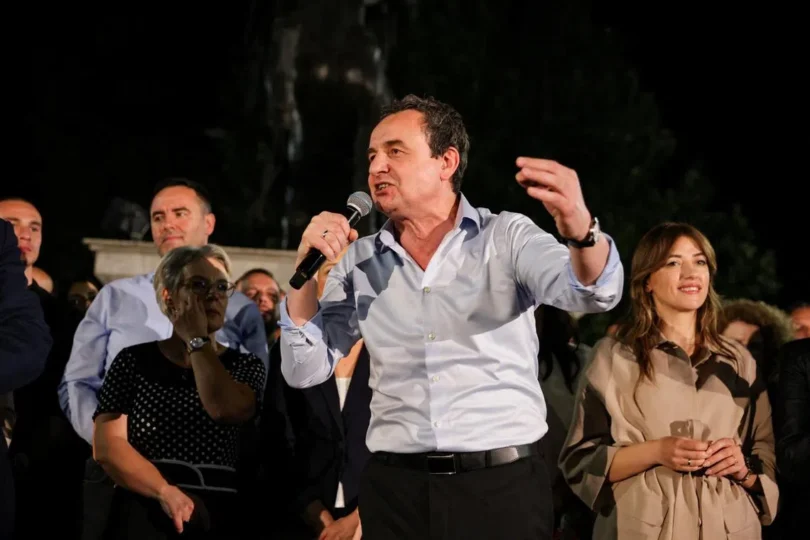
“In the coming weeks we will communicate, we will meet (the opposition), and we will cooperate with all political subjects,” Kurti told supporters late on Sunday.
END OF CRISIS ELUSIVE
Kurti’s supporters celebrated his victory into the early hours on Monday in the capital Pristina even though he is on course for a smaller share of votes than in December.
“For the next four years, Albin Kurti will lead Kosovo. After 10 years, I pray that he leads Europe,” said Qefsere Recica, who lives in Germany but came to Kosovo to vote.
Turnout was less than 37%, down from 45% in December, the election commission said.
Kurti’s party first came to power in 2021 with a more nationalist, welfare-focused agenda. Like all major parties in Kosovo, it is pro-Western. It opposes further concessions to Serbia, with which relations remain strained, nearly two decades after Kosovo declared independence from it.
“Unfortunately, I don’t think that this is the end of the crisis,” political analyst Artan Muhaxhiri said. “Until now we didn’t see any indications that there are going to be any big changes.”
“One option is that Kurti continue with a razor-thin government, which would have a lot of problems in dealing with big projects which await Kosovo. The next option is that Kurti has to make big compromises,” he said. REUTERS