
The Lagos State Government has intensified efforts to eliminate malaria following a dramatic decline in the disease prevalence rate to below two per cent, with authorities disclosing that about 95 per cent of fever cases recorded in the state are no longer malaria-related.
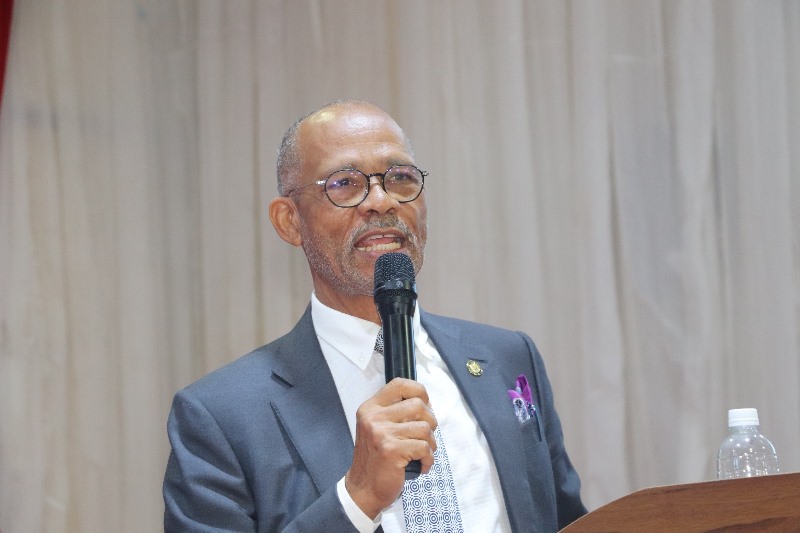
The renewed push formed the focus of discussions during a symposium organised by the Lagos State Ministry of Health to commemorate the 2026 World Malaria Day held at the Adeyemi Bero Auditorium.
Speaking at the event themed, “Driven to End Malaria: Now We Can, Now We Must,” the Commissioner for Health, Akin Abayomi, described malaria as one of the world’s biggest public health challenges, noting that nearly 260 million people contract the disease annually while about 600,000 deaths are recorded globally.
Abayomi stated that although Nigeria contributes about 27 per cent of the global malaria burden, Lagos has continued to distinguish itself through aggressive public health interventions, surveillance systems and environmental management strategies.
According to him, malaria prevalence in Lagos has fallen steadily over the last 15 years from about 15 per cent to approximately two per cent despite the state’s coastal environment and extensive water bodies that favour mosquito breeding.
He disclosed that the state government became alarmed after discovering that many residents were still being treated for malaria despite declining prevalence figures.
The commissioner explained that the state subsequently carried out one of the largest malaria studies ever conducted in Nigeria in collaboration with the National Malaria Elimination Programme, Pharmacy Council of Nigeria and Patent and Proprietary Medicine Vendors.
The study, according to him, involved testing over 78,000 residents with fever symptoms across 514 facilities using Rapid Diagnostic Tests validated to be about 98 per cent accurate.
The findings revealed that only five per cent of residents who believed they had malaria actually tested positive, meaning most fever cases were caused by other illnesses.
“This finding changed everything. We realised that most people being treated for malaria did not actually have malaria. That is why Lagos introduced a strict policy of ‘No Treatment Without Testing,’” Abayomi said.
He stressed that anti-malaria drugs remain effective when properly administered to confirmed cases and warned that indiscriminate treatment fuels the false belief that malaria medicines no longer work.
The commissioner said the state had now adopted a comprehensive “Prevent, Test, Treat and Track” strategy involving compulsory testing, treatment of confirmed cases and digital tracking of positive patients to identify malaria hotspots and eliminate mosquito breeding sites.
Also speaking, the Special Adviser to the Governor on Health, Kemi Ogunyemi, said the state remained committed to evidence-based interventions focusing on vector control, environmental sanitation, surveillance and community engagement.
The Permanent Secretary, Lagos State Ministry of Health, Dayo Lajide, disclosed that more than 978,000 malaria cases were treated across public and private health facilities in 2025, attributing the figure to improved tracking and surveillance systems.
Stakeholders at the symposium, including representatives of the World Health Organization and the Society for Family Health, commended Lagos for expanding rapid diagnostic testing and strengthening accountability within the healthcare system.
The symposium ended with renewed commitments from government officials, development partners and healthcare professionals to sustain investments and accelerate coordinated efforts towards achieving a malaria-free Lagos.