
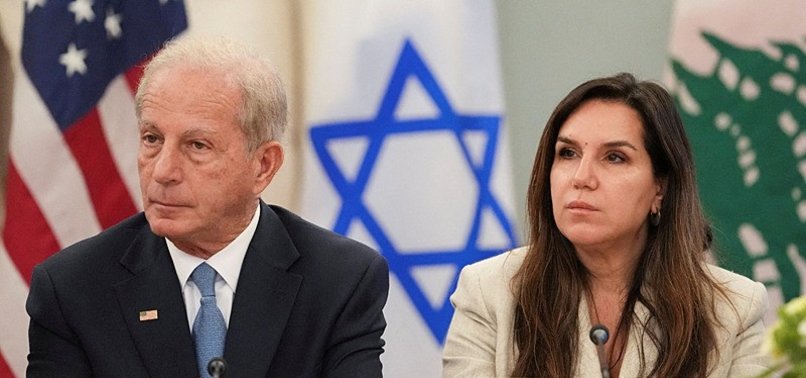
Negotiations between Lebanon and Israel are moving “in the right direction” and have reached a “point of no return,” US Ambassador in Beirut Michel Issa said Monday.
“It is very important for an official to choose what he wants and move forward with it, especially if it is the only choice to end a painful and harsh situation like the one Lebanon is experiencing,” Issa said following talks with Lebanese President Joseph Aoun.
A statement by the Lebanese presidency said Aoun and Issa discussed the course of the US-mediated negotiations between Lebanon and Israel and efforts to end the Israeli attacks on the Arab country.
The negotiations are expected to resume in Washington, Issa said, praising the Lebanese negotiating team as “highly professional” and “effective.”
“The members of the team speak about the Lebanese file clearly and frankly,” he said.
Lebanon and Israel held four rounds of negotiations in Washington since April in an effort to end Israeli attacks on the Arab country and secure Israeli withdrawal from Lebanese territory.
The US envoy said the exchange of airstrikes between Iran and Israel since Sunday following Israeli attacks on Beirut was a “political message.”
“We believe we are on the right track,” he said.
“Negotiations may take time, as all issues are not expected to be resolved in one meeting, and the continuation of these negotiations has a positive impact on the general path in Lebanon and the region,” he added.
“We have reached a point of no return. The ice has been broken, and we are continuing to help Lebanon emerge from its crisis,” Issa said.
Israeli attacks on Lebanon have killed more than 3,600 people, injured over 11,000 others and displaced more than 1.6 million since March 2, according to Lebanese officials.
The region has been on edge since the US and Israel launched airstrikes on Iran in late February, triggering Iranian retaliation on Israel and other regional countries hosting US assets.
A temporary ceasefire was reached on April 8, but negotiations later stalled amid disputes over its implementation and subsequent regional developments.