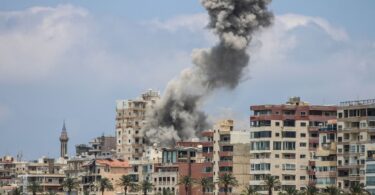
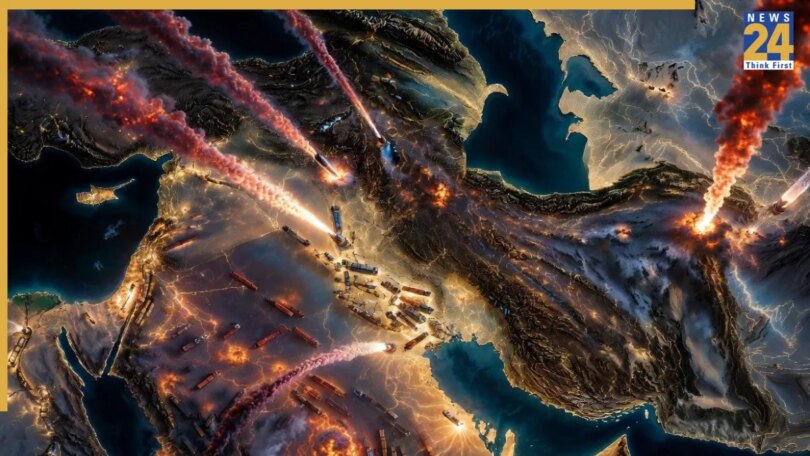
On June 7, Iran fired several missiles at Israel. This was the first big attack of its kind in two months, and it suddenly brought the whole region back to a dangerous boil. The trouble began earlier that same day, when Israel bombed a Hezbollah target in Beirut, the capital of Lebanon. The interesting part is that Israel went ahead with this strike even though Donald Trump had personally asked Prime Minister Benjamin Netanyahu not to do it.
After Iran’s missiles, Israel hit back at targets in western and central Iran, again ignoring Trump’s request to stay calm. Iran then launched one more round of attacks, but soon after, the Iranian military said it was stopping its operations. In a clear warning, Iran added that if Israel keeps attacking Lebanon, the response next time will be even harder.
What makes this round of fighting so important is not just the missiles, but the bigger picture behind it. Iran seems to be trying to build a new kind of order in the region, with rules written by Tehran itself. And worryingly for its rivals, there is a real chance it might succeed.
The first sign of this new order is that Iran is now trying to decide what Israel and America can and cannot do. Notice that Iran did not start this fight because its own land was attacked. It started because it wanted to control Israel’s military actions in Lebanon. Just six months ago, Israel could operate freely in Lebanon without Iran stepping in. But today, partly because of the war connected to Trump and Netanyahu’s choices, Tehran feels far more confident and is openly trying to limit Israel even close to Israel’s own borders.
This new boldness in Lebanon is mirrored in Iran’s tightening grip on the world’s key chokepoints. The clearest example is the Strait of Hormuz, the narrow but vital sea route through which much of the world’s oil passes. Soon after the war began in late February 2026, Iran gained strong control over this passage, and it does not look ready to let go. The message to its enemies is simple: accept our terms, or we will squeeze the global economy by controlling trade routes. For now, Washington seems to prefer managing the problem rather than fighting it head-on.
This brings us to the second sign, which flows directly from the first. Iran is steadily increasing the number of ways it can hurt its enemies, hoping they will finally accept the new balance of power. Iran has shown it can fire missiles at Israel, strike infrastructure in Gulf countries, harm American forces, and shake the global oil market, all while facing no serious attempt to remove its leaders from power. And it still has more cards to play, like attacking energy and water systems in Gulf states, or pushing the Houthis to block ships in the Red Sea. Soon after tensions rose, the Houthis indeed announced that Israeli-linked ships would no longer be allowed through the Red Sea. For a country like India, this is not a far-away problem; much of our trade with Europe passes through these very waters, and longer routes mean costlier goods and higher shipping bills at home.
The United States has often warned that it could hit Iranian civilian sites, target the Kharg Island oil terminal, or protect ships in the Strait of Hormuz. Yet each time, Washington has pulled back, fearing the wider damage such steps could cause.
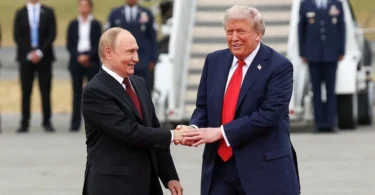
The third sign is the growing distance between Israel and America. After Iran’s attack, Trump’s main goal was to stop Israel from striking back. He even said, “I am going to call Bibi right now and tell him not to respond with retaliation.” Think about how unusual this is: a Republican US president is asking Israel not to hit back, even after Iranian missiles were aimed at Israeli civilians. Six months ago, no one could have imagined this. Splitting Israel and America has always been one of Tehran’s biggest dreams, and that gap is now visible.
Still, there is no sign yet that Trump plans to cut off missile defence support to Israel. But here lies the real worry. Even with American help, fighting a long war against Iran would be extremely hard. Finding and destroying Iran’s missile launchers alone would stretch Israel’s air force thin. And if Hezbollah opens the northern front too, Israel’s soldiers and supplies would be pushed to the limit. A big question is how long America will keep burning through its missile defence stockpiles for a war Trump had reportedly advised against. In the short run it may continue, but in the long run, such heavy support is simply not sustainable.
The final sign closes the circle on this new order: peace now looks very far away precisely because Tehran’s gamble is working. Netanyahu will not accept Iran dictating terms in Lebanon, while Iran feels it has more to gain than lose by keeping up the pressure. For India, this means watching oil prices, guarding sea lanes, and balancing old friendships with quiet care. A badly planned war has handed Iran the pen, and the region’s new rulebook is still being written.
(Girish Linganna is an award-winning science communicator and a Defence, Aerospace & Geopolitical Analyst. He is the Managing Director of ADD Engineering Components India Pvt. Ltd., a subsidiary of ADD Engineering GmbH, Germany.)
(Disclaimer: The views expressed above are the author’s own and do not reflect those of News24)
First published on: Jun 09, 2026 02:15 PM IST
Get Breaking News First and Latest Updates from India and around the world on News24. Follow News24 on Facebook, Twitter.
End of Article
Related Story