
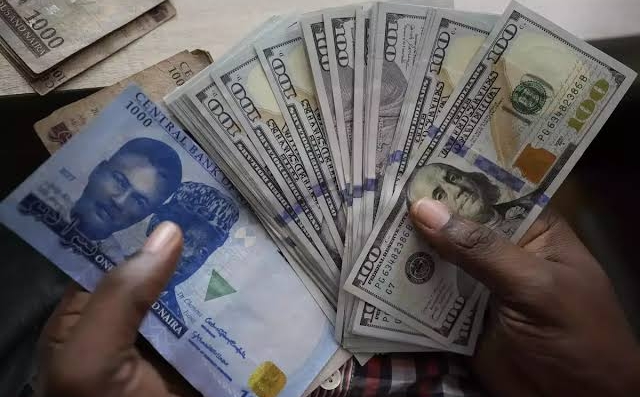
The Nigerian naira strengthened to ₦1,350 per US dollar at the official Nigerian Foreign Exchange Market (NFEM) on Monday, August 17, 2026, as the currency maintained its recent gains against the greenback.
The latest official figures showed that the naira appreciated from ₦1,358.25/$ recorded on Friday, August 14.
Naira records strongest level since April
Data from the Central Bank of Nigeria (CBN) indicated that the naira gained ₦8.25, representing about 0.6 per cent, to close at ₦1,350/$.
The latest appreciation pushed the currency to its strongest closing level since April 22, 2026.
Meanwhile, the naira was trading at around ₦1,352.22/$ against the US dollar on Tuesday morning, according to a live USD/NGN rate source.
The movement suggested that the currency remained relatively stable around the ₦1,350/$ mark in early trading.
In the parallel market, the dollar was quoted at about ₦1,407 for buying and ₦1,420 for selling, based on the latest available Bureau De Change rates.
This means a customer buying $1,000 would require approximately ₦1.42 million, while someone selling $1,000 could receive about ₦1.407 million.
The parallel-market selling rate of ₦1,420 was ₦70 higher than the official NFEM rate of ₦1,350/$.
This represents a gap of approximately 5.2 per cent between the official and parallel markets.
Factors supporting the naira
The naira’s recent improvement at the official market has been attributed to improved foreign exchange liquidity and stronger dollar supply.
Official data also showed continued stability in the currency market, with the naira moving from ₦1,365.69/$ in the previous week to ₦1,357.61/$ on August 17 before strengthening further to around ₦1,350/$.
Market participants are expected to watch developments in dollar supply and demand closely.
Other factors likely to influence the naira include importers’ demand, crude oil receipts, foreign investment inflows, diaspora remittances and CBN policies.
However, parallel-market rates can differ depending on location, transaction size and individual dealers.
The official NFEM rate, meanwhile, represents the volume-weighted average of transactions conducted in Nigeria’s formal foreign exchange market.
Note: Exchange rates can also change during the day as market conditions shift.