The next indirect US-Iran talks will come after the late Iranian supreme leader’s funeral, mediators said, as diplomacy inches ahead on ending the Middle East war.
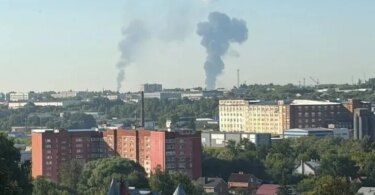
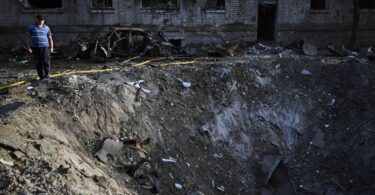
Following the foes’ indirect discussions in Doha on Wednesday, US President Donald Trump as well as mediators Qatar and Pakistan offered signs that diplomacy was holding, despite exchanges of fire this week.
An interim deal was agreed to reopen the vital Strait of Hormuz and end hostilities, but major questions still need to be tackled in talks, including Iran’s nuclear programme.
“Qatari and Pakistani mediators concluded separate meetings with the US and Iranian negotiators in Doha (on Wednesday), with positive progress made,” Pakistan said on Thursday.
Islamabad added the sides agreed to keep talking, “with the next meeting to be set at the earliest possible time following the funeral processions of the former Iranian Supreme Leader.”
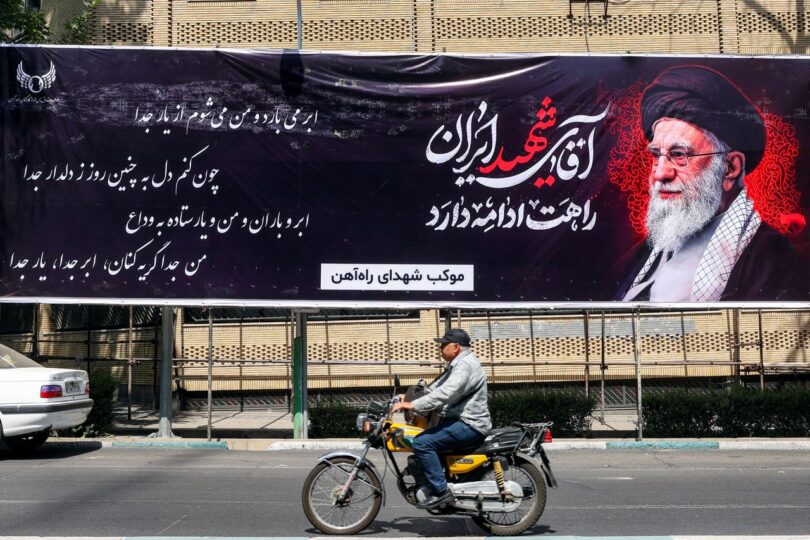
Ali Khamenei was killed aged 86 at his compound in the centre of the Iranian capital on February 28, the first day of the war. Power was swiftly passed to his son Mojtaba.
Ali Khamenei’s public funeral will begin on Saturday, with his body lying in state at the colossal complex in central Tehran that hosts major Friday prayers, official ceremonies and religious gatherings.
His burial will take place on July 9 at the shrine of Imam Reza in the northeastern city of Mashhad, his birthplace.
Iran’s Deputy Foreign Minister Kazem Gharibabadi, who led Tehran’s delegation, said Wednesday’s talks had concluded with an agreement to establish a communications channel by Thursday to report and record alleged violations of the memorandum.
Iran had insisted there would be no direct negotiations with the United States in Doha.
Trump told reporters on Wednesday before boarding Air Force One: “As far as things are going, the denuclearisation of Iran is moving along well.”
“We hit them very hard… but we’re getting along very well,” he added.
Lines of contact
The Qatar discussions, held at a lower level and focused on implementing the memorandum, were meant to “build on the progress made at the Lake Lucerne Summit”, a diplomat told AFP on condition of anonymity.
Tehran rejected Trump’s earlier suggestion that the talks would be direct, with foreign ministry spokesperson Esmaeil Baqaei saying Iran had “no plans for negotiations with the American side at any level over the coming days”.
Gharibabadi said discussions also covered frozen Iranian assets, whose release Tehran has demanded as part of any settlement.
He said officials reviewed the use of part of an initial $6 billion and agreed that goods needed by Iran would be purchased and made available.