
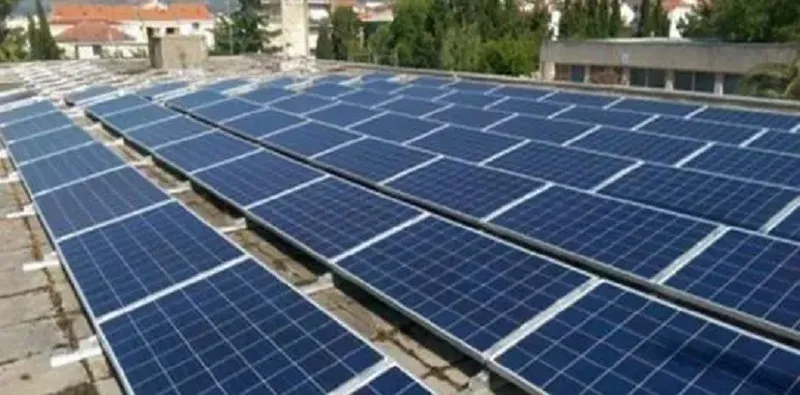
Nigeria is targeting that solar power will account for 50 per cent of the power generation mix by 2029, according to the Rural Electrification Agency (REA).
According to REA’s managing director, Mr Abba Abubakar Aliyu, solar power generation has risen dramatically in the last few years to about 20 per cent of Nigeria’s electricity supply.
He said this could further reach 50 per cent by 2029 if current deployment and private-sector partnerships continue, speaking during the just-concluded 25th Nigerian Oil and Gas (NOG) Energy Week in Abuja on Thursday.
Mr Aliyu, during an energy panel titled Re-Engineering Africa’s Power Market – Driving Reliable Energy Systems, said solar’s share of national generation has risen rapidly, and that sustained momentum would push it toward half of the country’s power mix within the next three years.
Mr Aliyu said the growth was driven by increasing deployment and stronger collaboration with private investors.
“Solar currently constitutes 20 per cent of the nation’s total generation capacity, and with the pace of deployment we are seeing, it is closing in on 50 per cent,” he projected.
The REA chief told delegates that Nigeria was shifting from being primarily a consumer of clean-energy equipment to becoming a regional supplier of renewable technology.
He said manufacturers in the Lagos–Sagamu industrial corridor were building capacity to meet demand across West Africa.
Mr Aliyu said Lagos-made solar photovoltaic (PV) panels were already being exported to neighbouring countries.
He added that a pipeline of about 3.7 gigawatts of PV manufacturing capacity was under development to support further expansion.
“If you go to the Lagos–Sagamu axis, you will see manufacturing companies coming up,” he said.
He, however, noted that despite the rapid expansion in solar deployment and local manufacturing, he clarified that conventional gas-fired thermal plants would remain necessary to stabilise Nigeria’s electricity grid.
He joined other panellists to advocate for a dual-track investment strategy that would continue to expand solar generation and domestic manufacturing while also maintaining and upgrading gas-fired plants.