More than 80 per cent of residents in Rivers State now spend over 100 per cent of their income on house rent, highlighting a deepening housing crisis in the state.
According to NAN, Mr Ceaser Enwefah, the Executive Secretary of the National Union of Tenants of Nigeria (NUTN), disclosed this on Monday, May 4, in a letter addressed to Governor Siminalayi Fubara.
The union noted that the hike in rental rates, which rose sharply between 2023 and 2025, is more severe in Port Harcourt, and Obio-Akpor, located less than 30 minutes from the state capital.
Enwefah explained that the rising cost of rent has left many residents unable to meet basic needs, further worsening poverty levels in the state.
He urged the state government to prioritise the housing sector and introduce regulatory measures to curb excesses in the market, including oversight of estate agents and illegal property conversions.
He also cautioned that the situation could make key urban areas economically and socially unstable if left unchecked.
The NUTN official further recommended stricter enforcement measures, the creation of a housing data system to track rent trends, increased land allocation for low-income housing, and the construction of student hostels to ease pressure on available accommodation.
Data from the union shows a steep rise in rental costs across major housing categories in recent years.
He warned that rents could climb even higher by December 2026, potentially putting housing further out of reach for average residents, adding that many people are already leaving the city due to the rising cost of living.
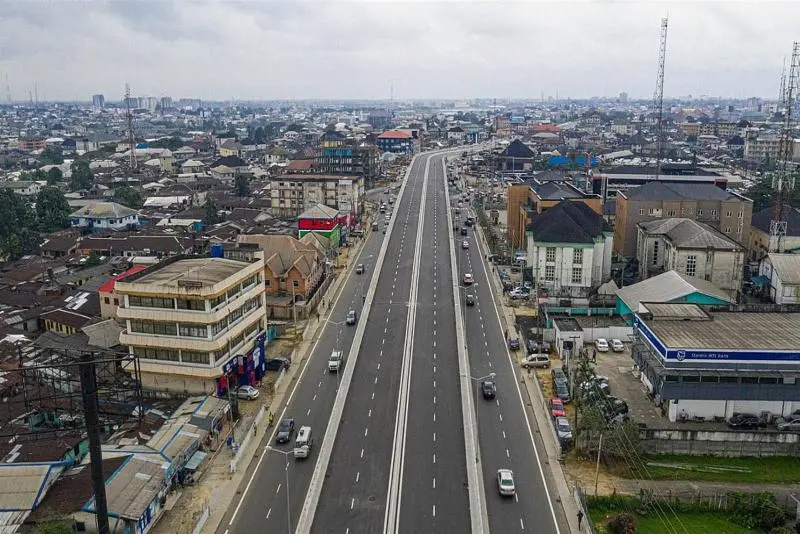
The increase has been linked to factors such as a housing deficit, demolition of buildings for infrastructure projects like the Port Harcourt Ring Road, activities of unregulated agents, and the conversion of residential buildings for commercial use.
Rivers’ housing crisis mirrors trends seen in Lagos, Nigeria’s commercial hub, where residents are also grappling with rising rent costs.
The growing pressure on housing affordability across major Nigerian cities continues to raise concerns about urban living standards and economic sustainability.